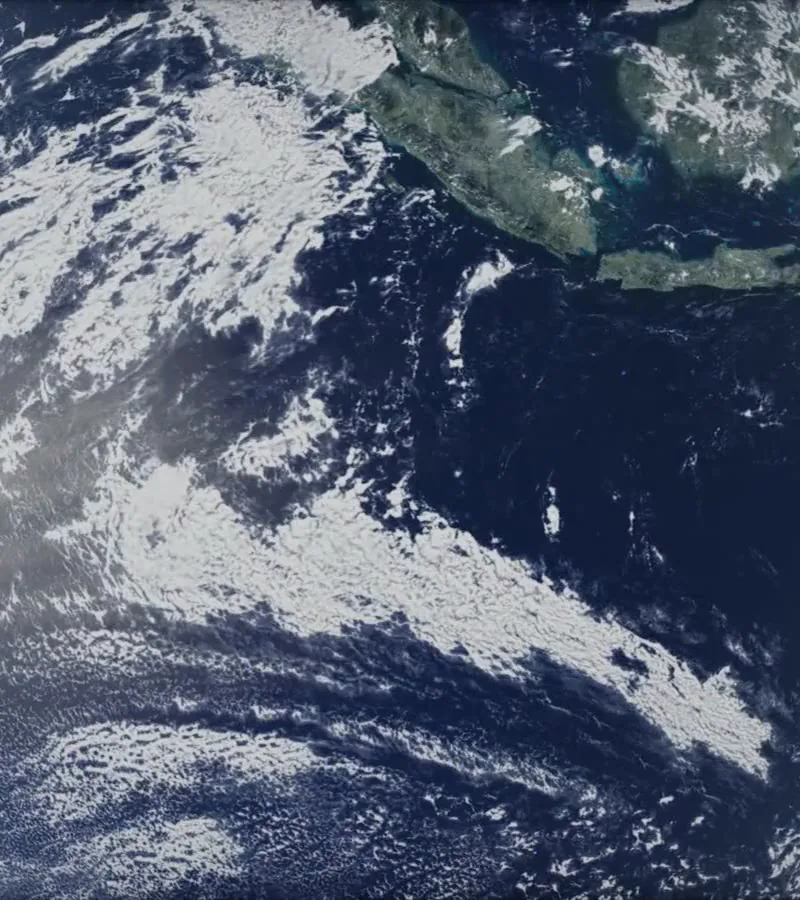
A working atlas of the planets
The solar system, as it is right now.
Every planet where it really is today, at true scale, lit by the real Sun. Fly it in your browser, free, no signup.
A working atlas of the planets
Every planet where it really is today, at true scale, lit by the real Sun. Fly it in your browser, free, no signup.
Worked out in your browser from JPL's orbital elements, the same maths that moves the planets in the 3D viewer.
An interactive simulation, not a static poster. Real orbital mechanics. Real textures. Real fly-through.
8K NASA-derived textures, custom GLSL shaders for the Sun and atmospheres, shadow-casting rings. At true scale, Saturn's rings are 10–100 metres thick — almost a million times thinner than they are wide.
Read about SaturnSwitch into Fly mode and take the controls. Realistic gravity, momentum, and orbit stabilisation. Land in low Earth orbit, slingshot past the Moon, then push out to Mars — all in real time.
Open the viewerToggle the science panel and the viewer streams real-time telemetry — phase, diameter, distance, velocity, orbital period — for the body in focus. Everything sourced from real ephemeris data.
Read about EarthWhen your Mac goes idle, the camera flies from world to world. Every planet sits where it really is right now, at true scale, lit by the real Sun. Watch the grand tour or stay with one world up close.
Where everything is
Each planet sits in its real direction from the Sun on the date below. Drag through the year, or play it, and watch the inner planets lap the outer ones.
The bodies
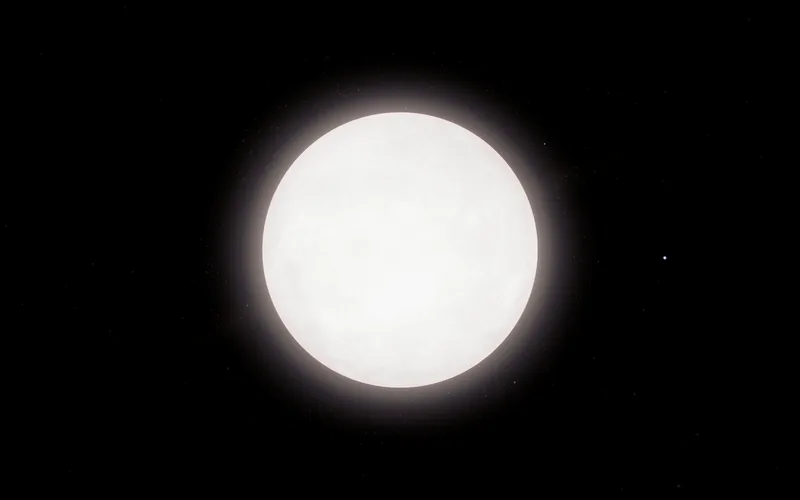 SunStar149,729,523 km
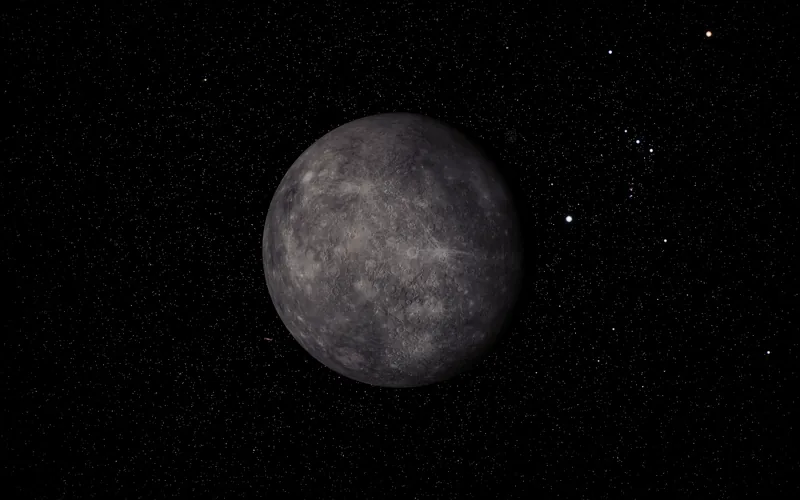 MercuryTerrestrial Planet172,701,044 km
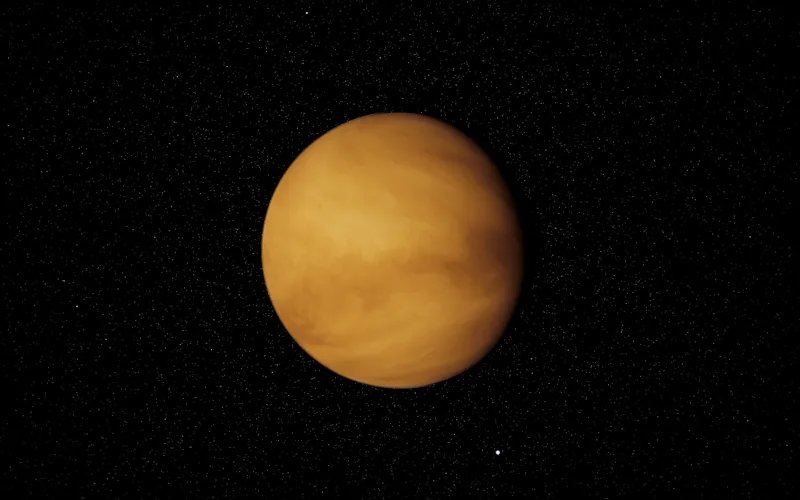 VenusTerrestrial Planet50,702,300 km
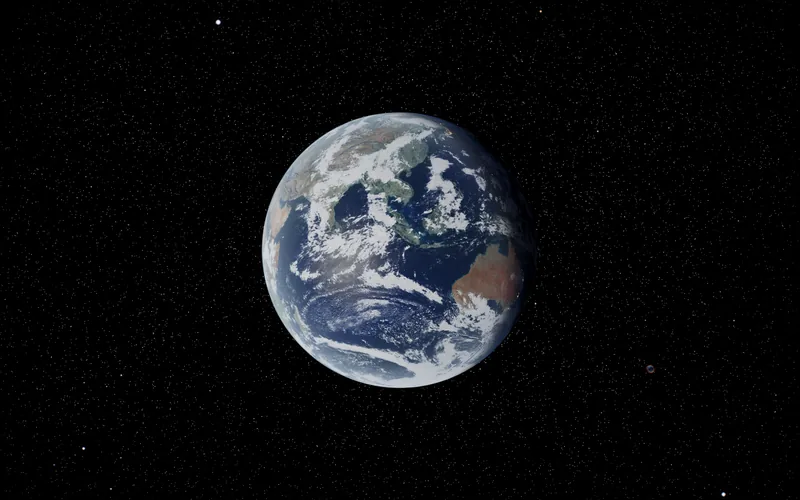 EarthTerrestrial PlanetYou are here
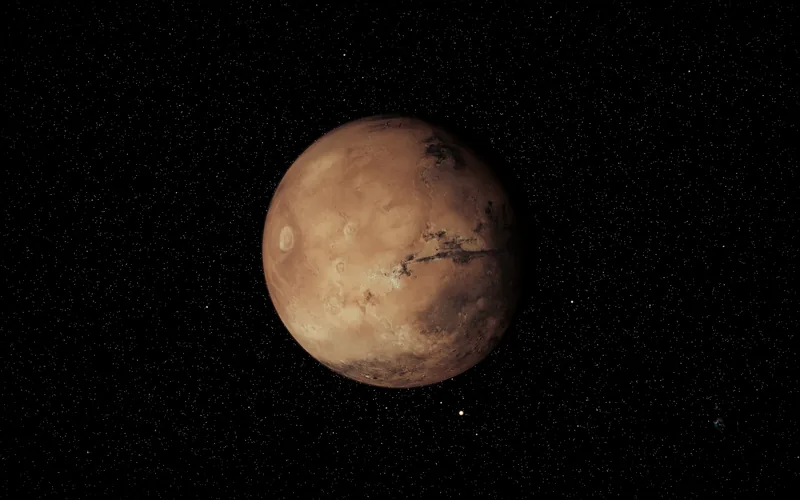 MarsTerrestrial Planet247,490,756 km
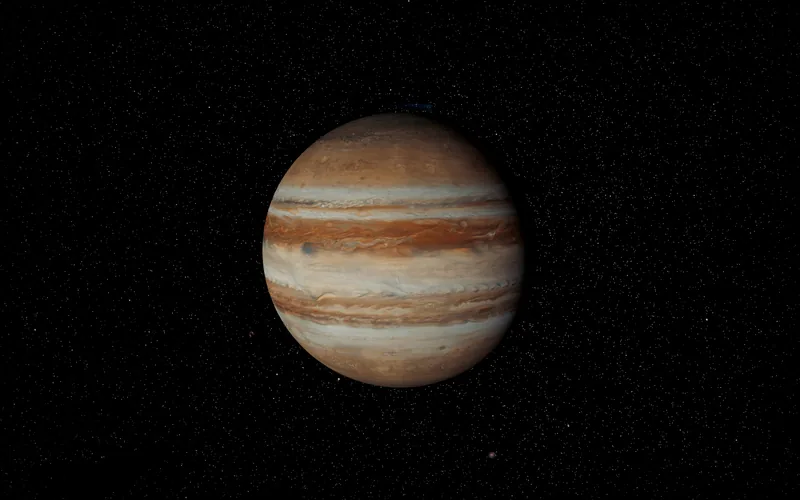 JupiterGas Giant882,640,147 km
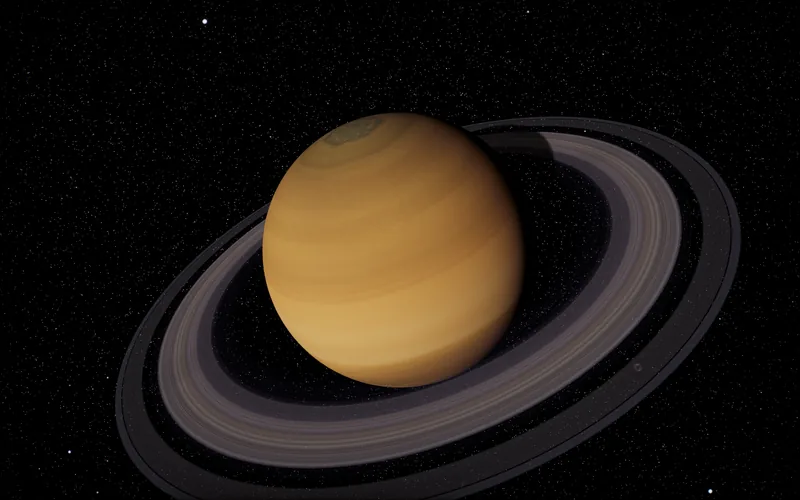 SaturnGas Giant1,261,860,380 km
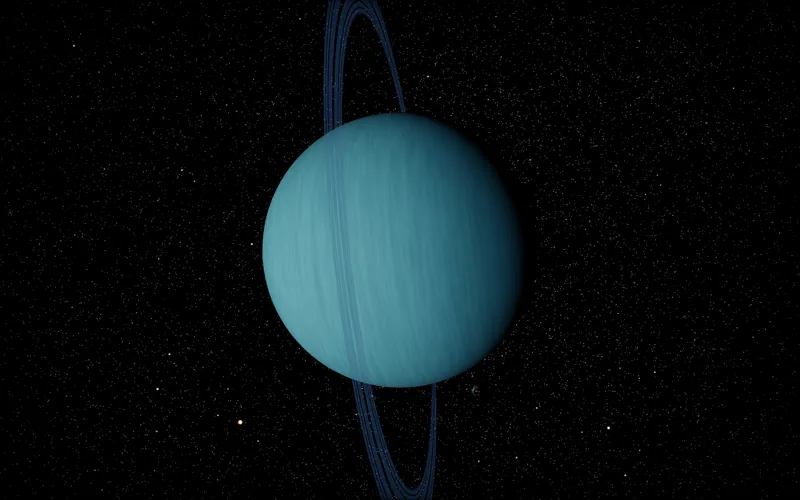 UranusIce Giant2,821,309,941 km
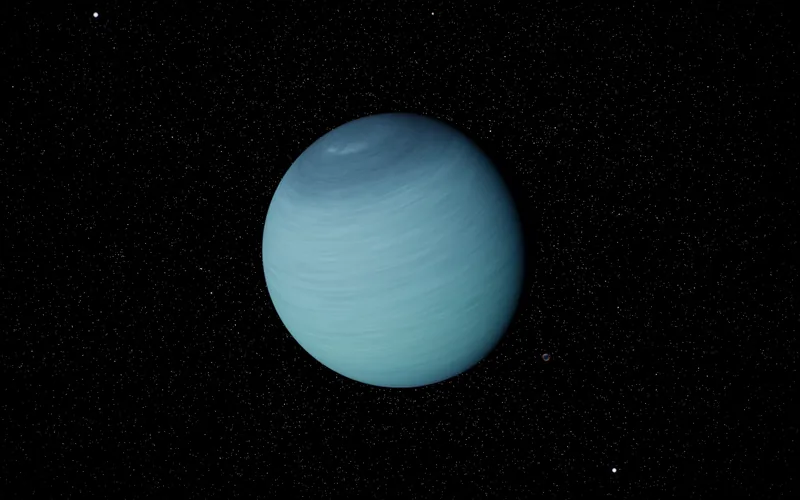 NeptuneIce Giant4,320,868,929 km
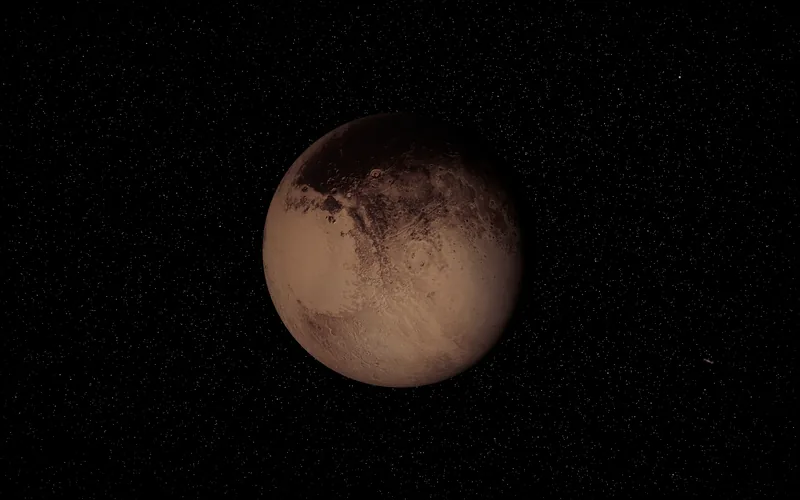 PlutoDwarf Planet5,266,229,537 km
Pages that compare, rank, and contextualise. Designed to answer the question, not just present a model.
From Earth's Moon to Triton's geysers — pages on every named major moon, with parent body, diameter, orbital period, and a one-click jump to its system in 3D.
Mars vs Earth, Jupiter vs Saturn, Sun vs Jupiter. Every spec lined up — with a one-click jump to either body in 3D.
Ten biggest by diameter. The largest is bigger than Mercury.
Saturn isn't alone. All four giants have ring systems.
Distance from the Sun isn't temperature. Venus runs hotter than Mercury.
Real motion. Every body — Sun, planets, moons, comets — moves on its actual orbital track. Time speed is adjustable from paused to fifty times reality.
Textures are NASA imagery via Solar System Scope. Sizes and distances are dramatised by default for visibility. A "Realistic" scale slider drops everything to true relative size — at which point the planets become specks and Saturn's rings vanish, which is exactly what they would look like in reality.
Click any body to focus it. Step through the system with arrow keys. Switch into Fly mode to pilot a spacecraft between planets under realistic gravity. Toggle the science overlay for live telemetry. Open the object browser to jump to comets, dwarf planets, near-Earth asteroids, or active probes.
Three.js, WebGL 2.0, custom GLSL shaders for the Sun and atmospheres, a procedural Tone.js soundtrack. No signup, no paywall.
Loads in under a second. Click any planet, drag to orbit, scroll to zoom. Or hand the wheel over and watch the system run on its own.
Open the viewer →