A working atlas of the planets
Every planet where it really is today, lit by the real Sun. Spin it, zoom from the Sun to Pluto, change the date or fly between worlds. Free in your browser, no signup.
Open the 3D viewerView the solar system in 3DFree · In your browser
Live wallpapersMac and Windows, alive
$2.99
ScreensaverMac, Windows, Linux
$1.99
VR and AR modeStep into space
$2.99
PlanetariumThe sky where you are
Free
In a headset? Open the viewer and step into the solar system in VR
Worked out in your browser from JPL's orbital elements, the same maths that moves the planets in the 3D viewer.
An interactive simulation with real orbital mechanics, real textures and a real fly-through.
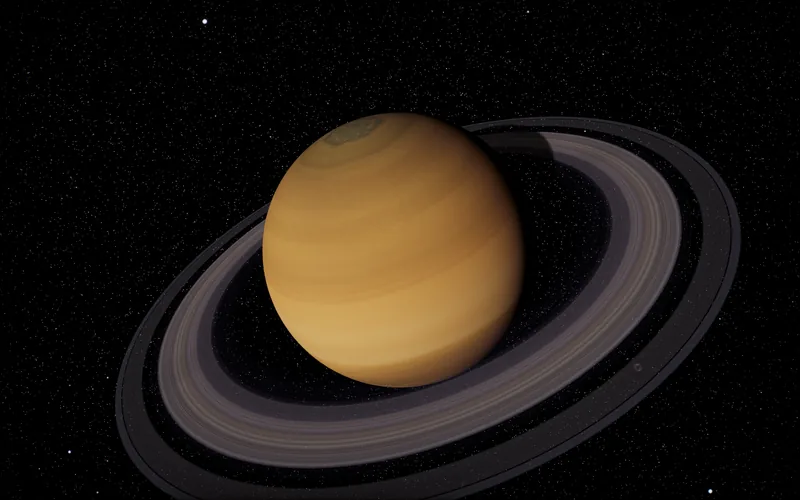
8K NASA-derived textures, custom GLSL shaders for the Sun and atmospheres, shadow-casting rings. Saturn's main rings are about 280,000 kilometres across, yet typically only about 10 metres thick.
Read about Saturn
Switch into Fly mode and take the controls. Realistic gravity, momentum, and orbit stabilisation. Settle into low Earth orbit, slingshot past the Moon, then push out to Mars, all in real time.
Open the viewer
Toggle the science panel and the viewer streams real-time telemetry for the body in focus: phase, illumination, diameter, distance and orbital period, all from real ephemeris data.
Read about Earth
One interactive model, from the Sun's surface out to the stars around us, running on the real clock.
Every planet and the Moon sit where they are this second, worked out from JPL orbital elements and the Meeus lunar theory. The Earth turns on the real clock, so its day side matches yours.
Distances right nowSet any moment from 1800 to 2200, scrub a week either way, run time backwards, or jump to the next full Moon, equinox, eclipse or your birthday.
Upcoming sky eventsPut every world at its real size and distance and see how empty space really is. To Scale mode lines them up beside the Sun so the sizes finally make sense.
Compare the planets How big each planet isKeep going past Pluto: the stars around the Sun, then our galaxy seen from outside, its spiral arms and its glowing bar, with nebulae and other galaxies in deep space.
The universe in 3DTake the controls of a ship and cross from planet to planet, then open the galaxy map: 11,976 catalogued stars within 200 light years, with routes to plot and jumps to make.
Open the viewerComing solar and lunar eclipses play out from their real geometry: the Moon's shadow racing across the Earth, or the Moon turning red inside the Earth's.
EclipsesFollow the space station live, look down from its Cupola window, and switch on every active satellite, from Starlink to the geostationary belt.
ISS passes over youUpcoming Falcon 9 launches stand on their real pad, count down to the published T-0 and fly the mission, first-stage landing included.
The next launchZoom down to 15 metre satellite imagery, under NASA cloud imagery, with aurora round the poles and city lights on the night side.
Earth up closeAstronomy mode is a planetarium of the real sky from where you are: the stars, the planets and the Moon over your town right now, checked against JPL Horizons.
The online planetariumA model of the solar system you can turn, zoom and run through time, with the true sizes and distances to hand for building a scale model of your own.
The solar system 3D modelPick a place and a moment and get that sky as a star map: every star you could see, the Milky Way, and the Moon and the planets where they were.
Star map prints The night sky on any date26 lessons from age 5 to university, ready to present on a projector or set for pupils, with every fact sourced.
For teachersWhen your computer goes idle, the camera flies from world to world. Every planet sits where it really is right now, at true scale, lit by the real Sun. Watch the grand tour or stay with one world up close.
Where everything is
Each planet sits in its real direction from the Sun on the date below. Drag through the year, or play it, and watch the inner planets lap the outer ones.
The bodies
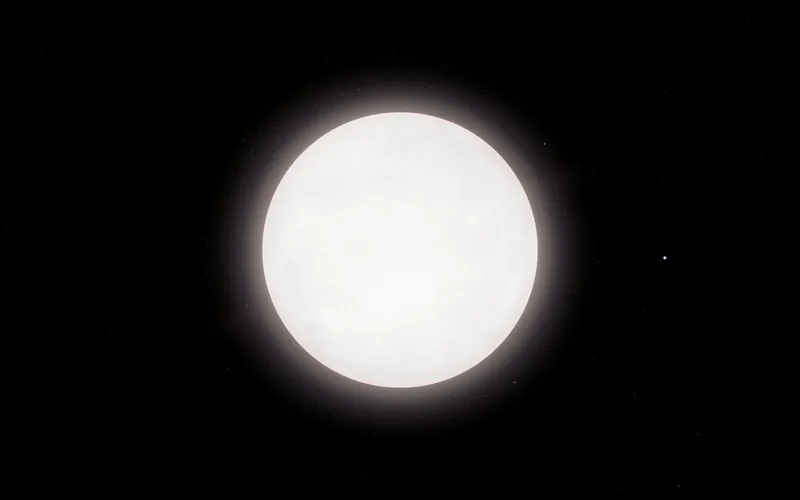
SunStar148,396,065 km
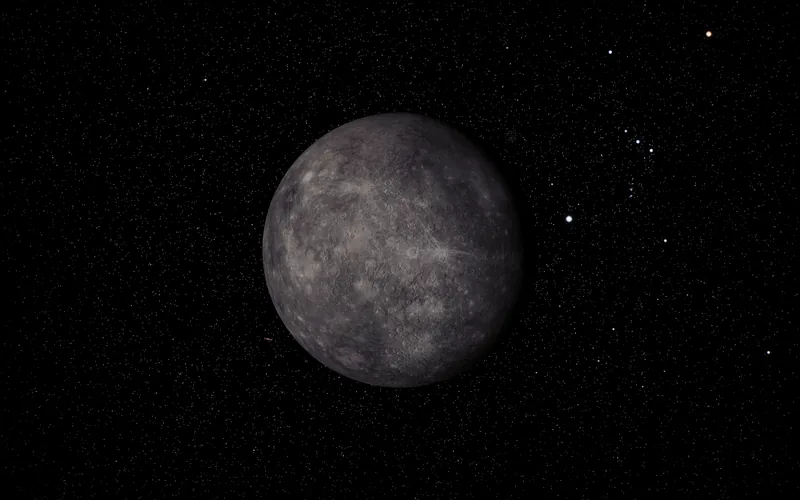
MercuryTerrestrial Planet100,621,538 km
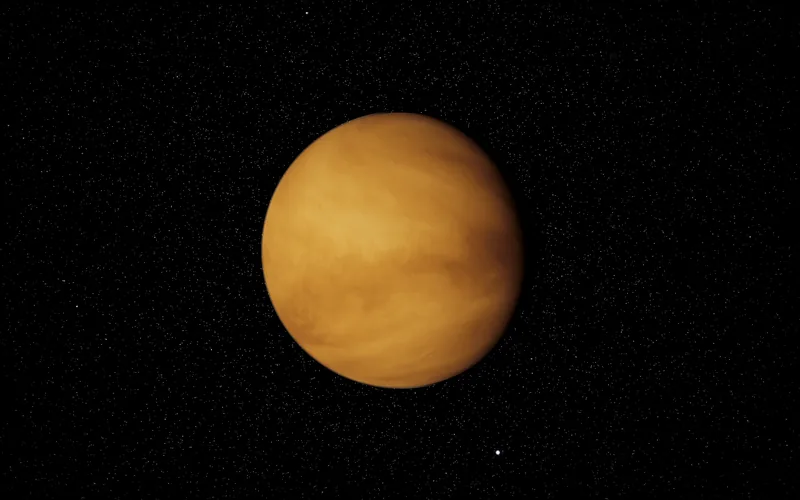
VenusTerrestrial Planet42,839,908 km
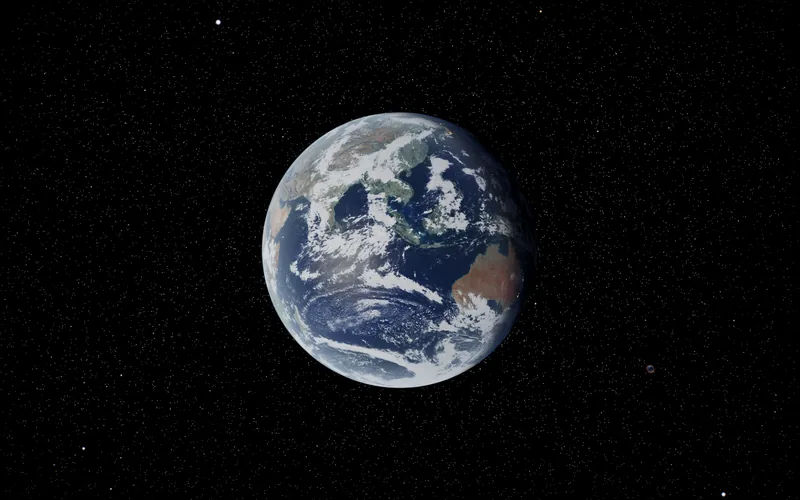
EarthTerrestrial PlanetYou are here
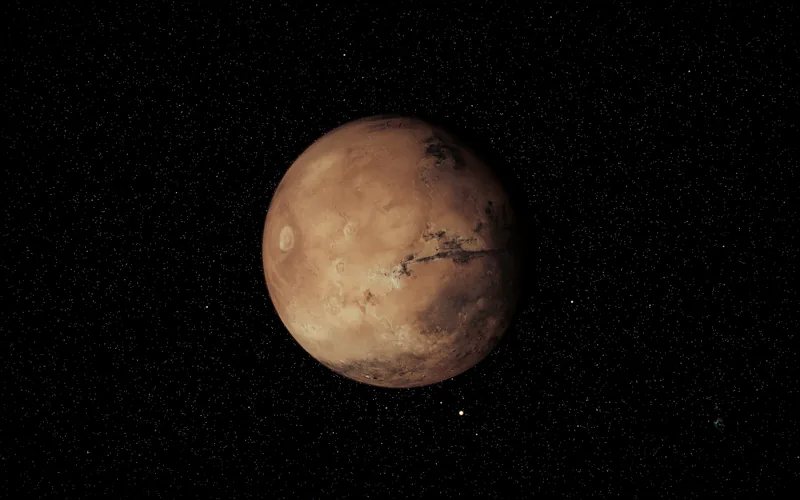
MarsTerrestrial Planet210,880,126 km
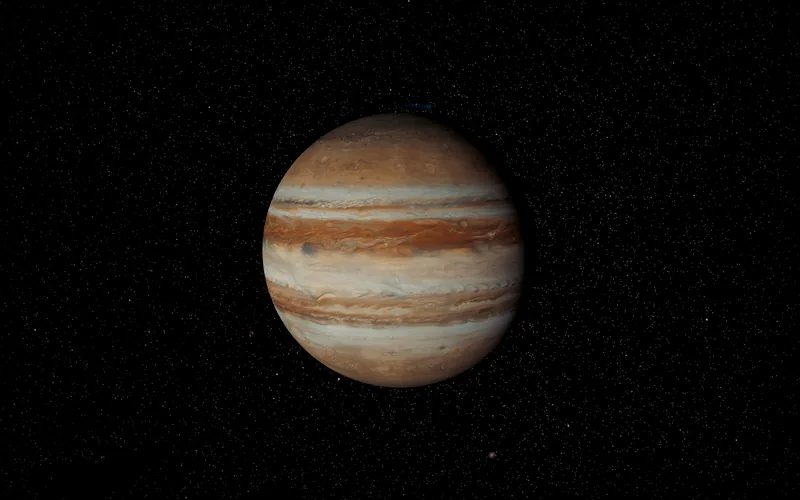
JupiterGas Giant816,115,843 km
SaturnGas Giant1,282,240,192 km
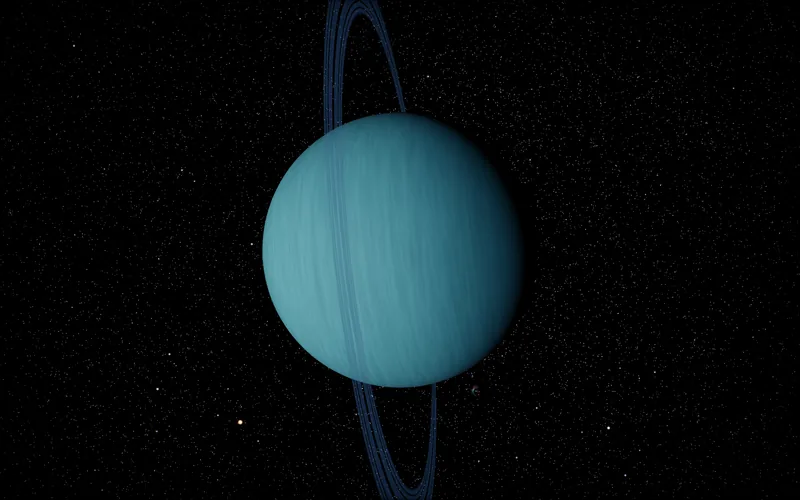
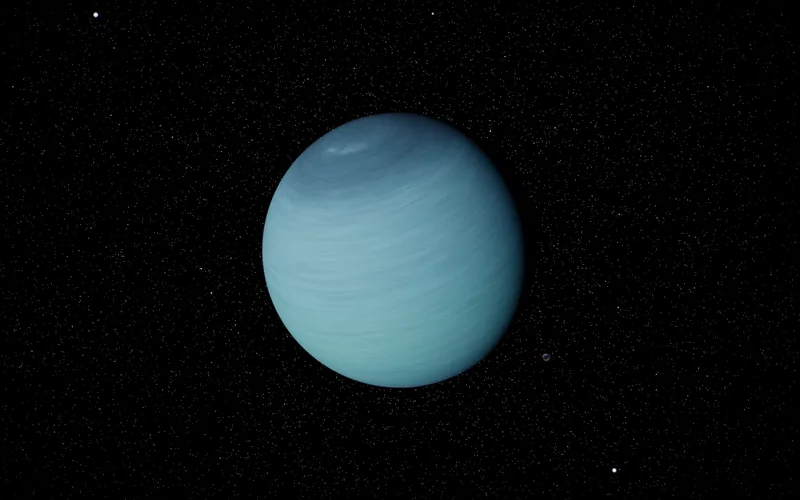
UranusIce Giant2,769,670,086 km
NeptuneIce Giant4,353,820,924 km
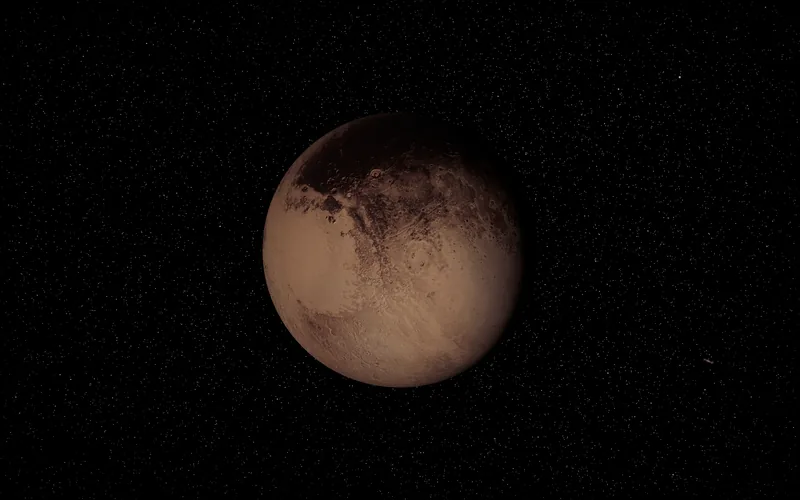
PlutoDwarf Planet5,350,501,073 km
Checked against the sources
Every planet and the Moon is placed from its orbit, and the maths is tested against the agencies that publish the real values.
Pages that compare, rank and put the numbers in context, each with a jump into the 3D view.
From Earth's Moon to Triton's geysers: a page for every named major moon, with its parent body, diameter, orbital period and a one-click jump to its system in 3D.
Mars vs Earth, Jupiter vs Saturn, Sun vs Jupiter. Every spec lined up, with a one-click jump to either body in 3D.
Ten biggest by diameter. The largest is bigger than Mercury.
Saturn isn't alone. All four giants have ring systems.
Distance from the Sun isn't temperature. Venus runs hotter than Mercury.
Yes. The viewer runs in your browser with nothing to download and no account to make. The optional paid extras are the screensaver for Mac, Windows and Linux, VR and AR on headsets, and the Moon, Mars, rovers and planes in the Qmax rocketry game.
Yes. Your browser works out each planet from JPL's orbital elements, and the Moon from the Meeus lunar theory, for the exact moment on the clock. Leave time on Real and the solar system keeps pace with the wall clock, or set any date from 1800 to 2200 (the planets' orbital elements are fitted for 1800 to 2050, so later dates are approximate). The moons of the other planets keep their real orbital periods, though where each one sits along its orbit is illustrative.
Yes, by default. It opens with everything at its true size and distance, where the planets shrink to bright points until you pick one. The Artistic switch spreads sizes and distances out so every planet is visible at once, and a slider sets how much. To Scale mode lines up the Sun and planets side by side at their real relative sizes.
Drag to turn the view, scroll or pinch to zoom, and click any planet or moon to fly to it. The arrow buttons step from world to world, the time bar runs the clock from paused through real time to most of a year every second, forwards or backwards, and the controls panel holds the rest: To Scale, satellites, sky events, eclipses and fly mode.
Yes, in any current browser with WebGL 2: Chrome, Safari, Edge or Firefox. Phones and tablets get touch controls and lighter graphics. Fly mode is easiest with a keyboard.
Yes. Teachers mode has 26 ready-made lessons for ages 5 to university, each with a Present mode for the classroom projector and a pupil version with questions and tasks. Every fact in a lesson cites its source.
A simulation. Each body is placed from its orbit for the time on the clock, the Earth turns by its real rotation angle so the day side and the seasons match the date, and eclipses come out of the real geometry of the Sun, Earth and Moon. Run the clock backwards and everything retraces its path.
Planet positions from JPL orbital elements, the Moon from the Meeus lunar theory, satellites from CelesTrak and launches from Launch Library 2 by The Space Devs. Surface maps come from NASA, USGS, ESA and EOX, with planet textures from Solar System Scope. The credits page lists every source.
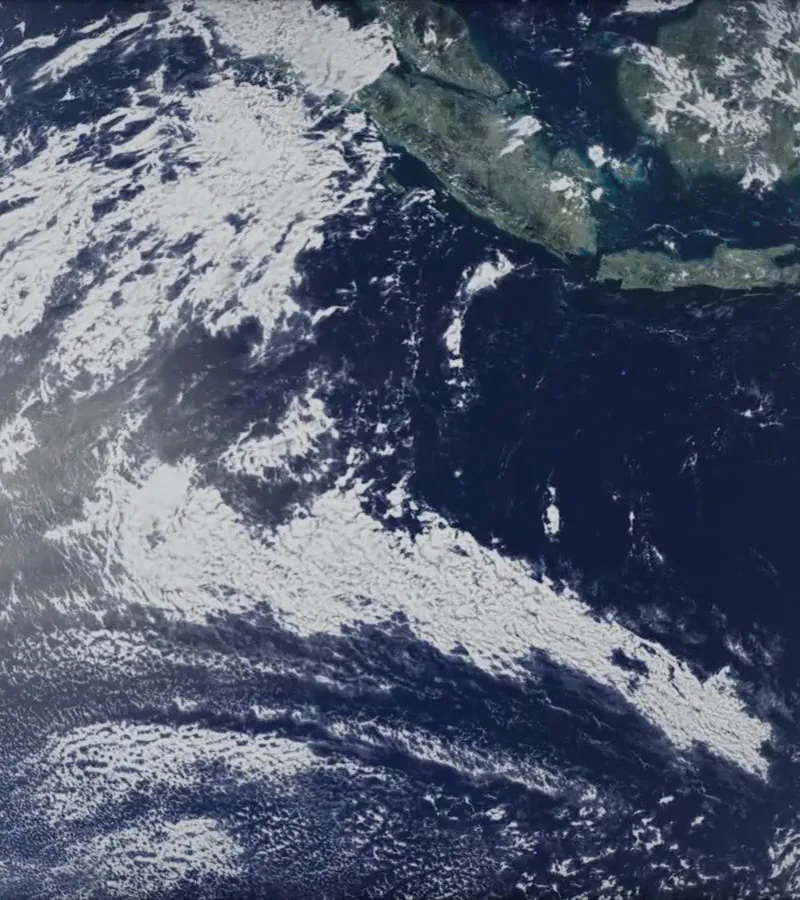
Click any planet, drag to orbit, scroll to zoom. Or set the clock running and watch the solar system move on its own.
Open the viewer →