Comparison · Updated October 2026
Sun vs Earth.
The Sun dwarfs Earth in every dimension. It is 109 times wider, 333,000 times more massive, and contains 99.86% of all the mass in the solar system. Here is how the two compare across the numbers that matter.
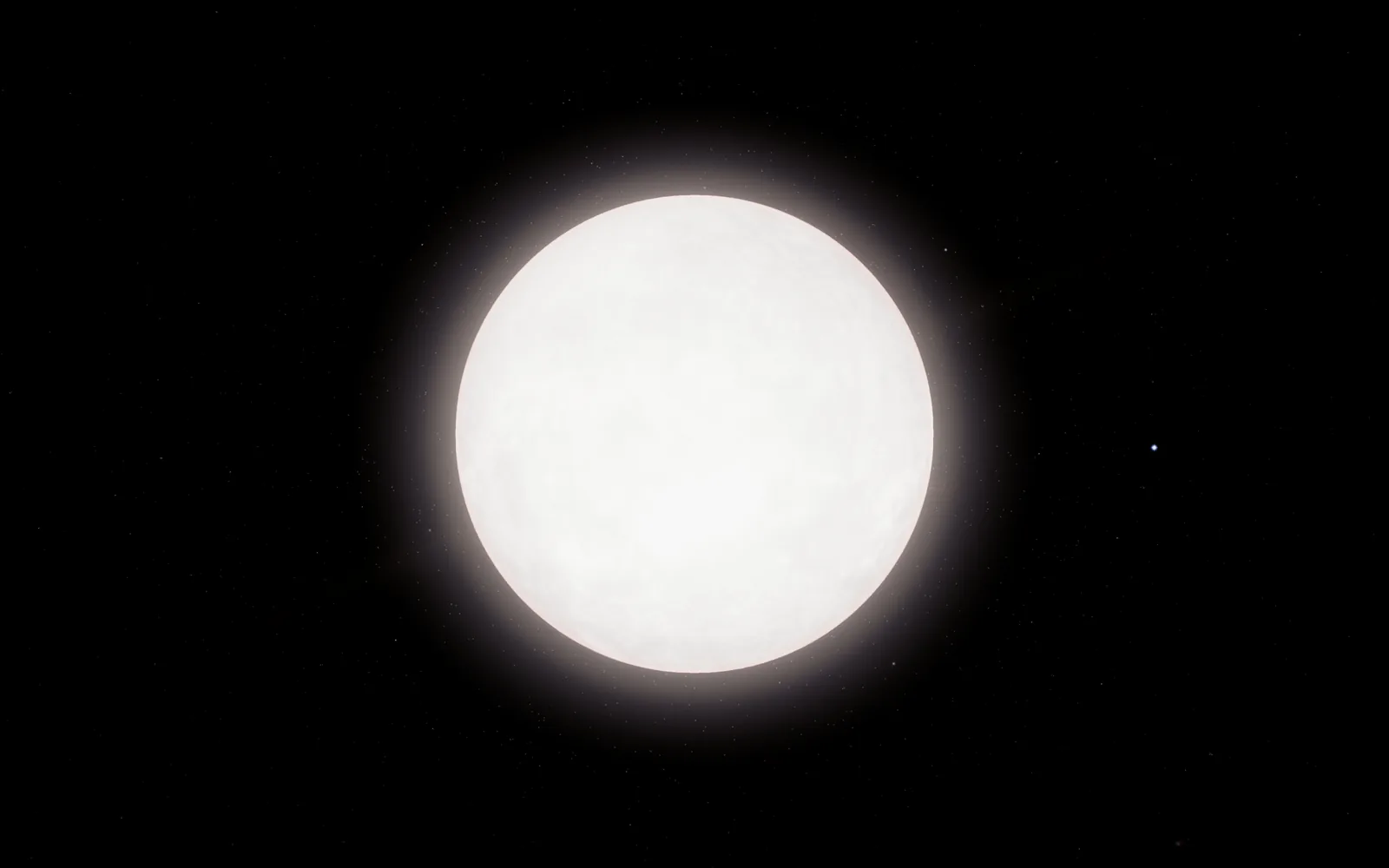
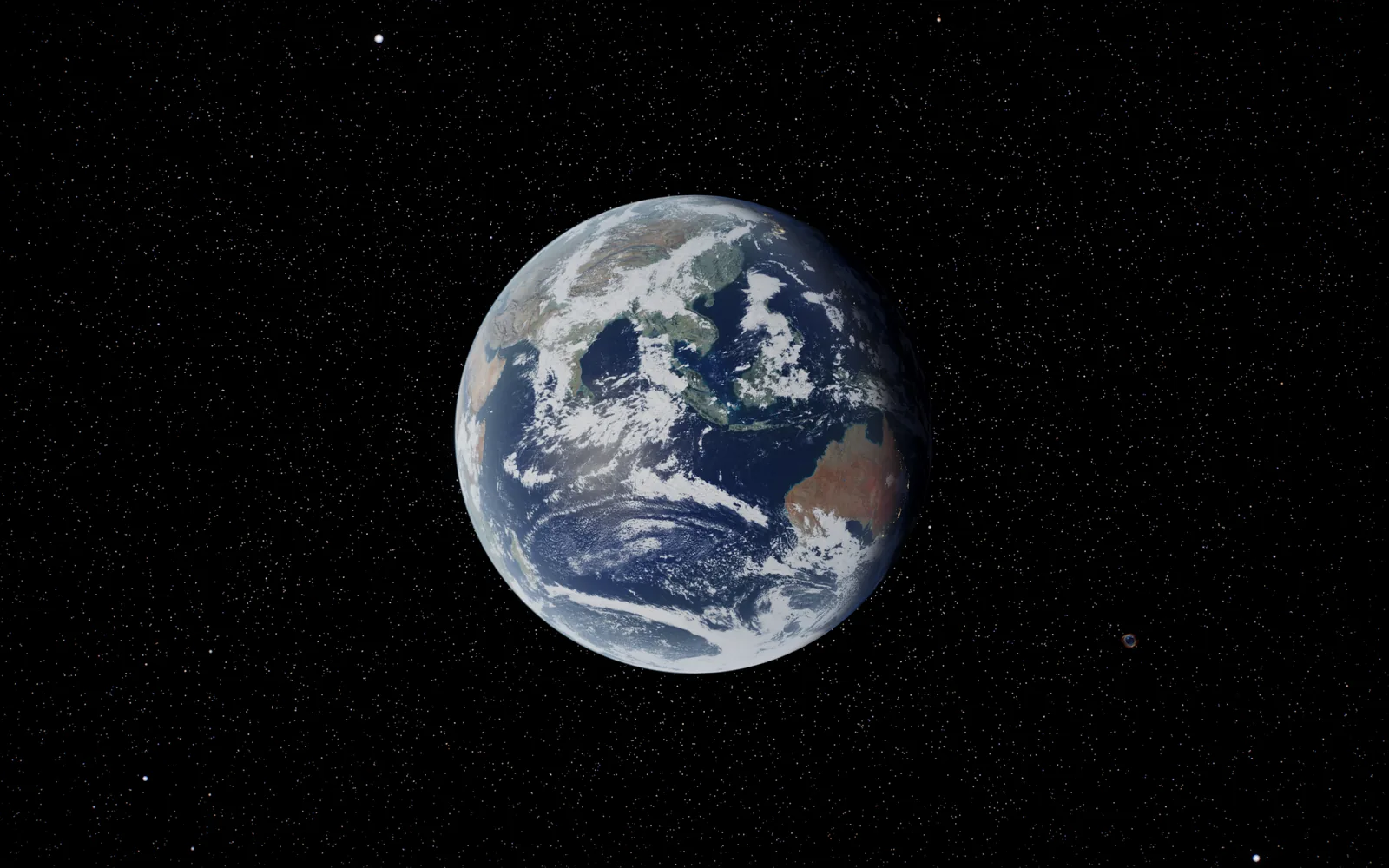
Side by side
| Property | Sun | Earth | Difference |
|---|---|---|---|
| Type | Star | Terrestrial Planet | |
| Diameter | 1,392,700 km | 12,742 km | Sun is 109× wider |
| Distance from Sun | 0 km | 149.6M km | |
| Orbital period | N/A | 365.25 days | |
| Number of moons | 0 | 1 | Only Earth has moons |
| Axial tilt | 7.25° | 23.44° | Earth by 16° |
To scale
About Sun
The Sun is a G-type main-sequence star at the centre of the solar system, with a surface temperature of about 5,778 K and a diameter of 1,392,700 km — large enough to fit 1.3 million Earths inside it. It contains 99.86% of the system's mass, fuses about 600 million tonnes of hydrogen into helium every second, and drives every orbit you can see in this viewer.
About Earth
Earth is the third planet from the Sun, the only known world with life, and the densest planet in the solar system. Its 12,742 km diameter is the largest among the rocky inner planets. Roughly 71% of the surface is liquid water — a state stable only because Earth sits inside the Sun's habitable zone, has a thick enough atmosphere to maintain pressure, and a magnetic field strong enough to deflect the solar wind.
See them side by side in 3D
Open the 3D viewer to fly between Sun and Earth at any time speed and scale. The viewer renders both bodies with realistic textures, lighting, and orbital motion in real time.