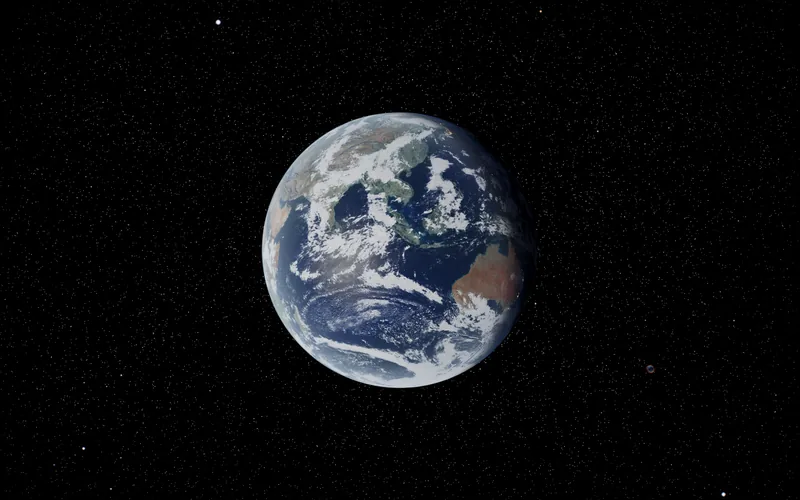
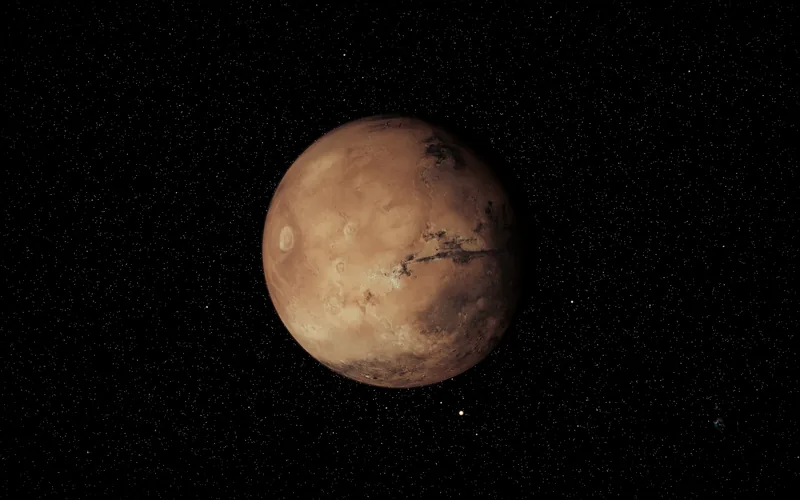
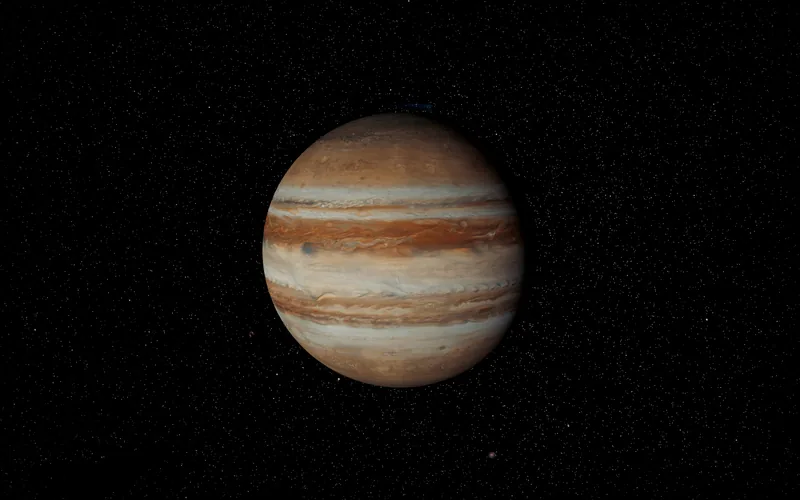
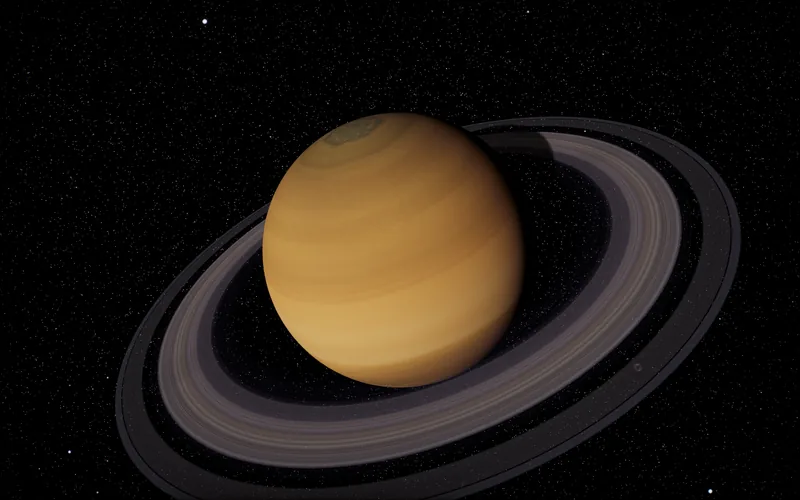
Is this 3D solar system free?
Yes. The viewer runs in your browser with nothing to download and no account to make. The optional paid extras are the Mac screensaver, VR and AR on headsets, and the Moon, Mars, rovers and planes in the Qmax rocketry game.
Are the planets in their real positions?
Yes. Your browser works out each planet from JPL's orbital elements, and the Moon from the Meeus lunar theory, for the exact moment on the clock. Leave time on Real and the solar system keeps pace with the wall clock, or set any date from 1800 to 2200 (the planets' orbital elements are fitted for 1800 to 2050, so later dates are approximate). The moons of the other planets keep their real orbital periods, though where each one sits along its orbit is illustrative.
Is the 3D solar system to scale?
You choose. By default sizes and distances are spread out so every planet is visible at once, and a slider sets how much. The Realistic switch puts everything at its true size and distance, where the planets shrink to specks. To Scale mode lines up the Sun and planets side by side at their real relative sizes.
How do I move around?
Drag to turn the view, scroll or pinch to zoom, and click any planet or moon to fly to it. The arrow buttons step from world to world, the time bar runs the clock from paused through real time to most of a year every second, forwards or backwards, and the controls panel holds the rest: To Scale, satellites, sky events, eclipses and fly mode.
Does it work on phones, tablets and Chromebooks?
Yes, in any current browser with WebGL 2: Chrome, Safari, Edge or Firefox. Phones and tablets get touch controls and lighter graphics. Fly mode is easiest with a keyboard.
Can I use it to teach?
Yes. Teachers mode has 25 ready-made lessons for ages 5 to university, each with a Present mode for the classroom projector and a pupil version with questions and tasks. Every fact in a lesson cites its source.
Is it a simulation or an animation?
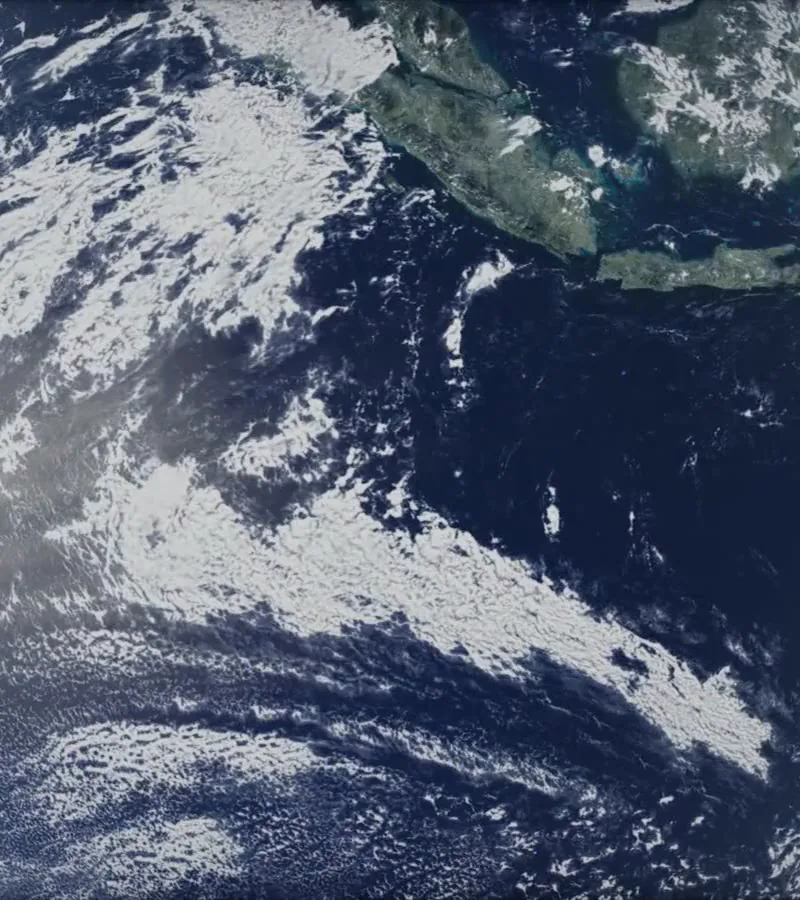
A simulation. Each body is placed from its orbit for the time on the clock, the Earth turns by its real rotation angle so the day side and the seasons match the date, and eclipses come out of the real geometry of the Sun, Earth and Moon. Run the clock backwards and everything retraces its path.
Where does the data come from?
Planet positions from JPL orbital elements, the Moon from the Meeus lunar theory, satellites from CelesTrak and launches from Launch Library 2 by The Space Devs. Surface maps come from NASA, USGS, ESA and EOX, with planet textures from Solar System Scope. The credits page lists every source.