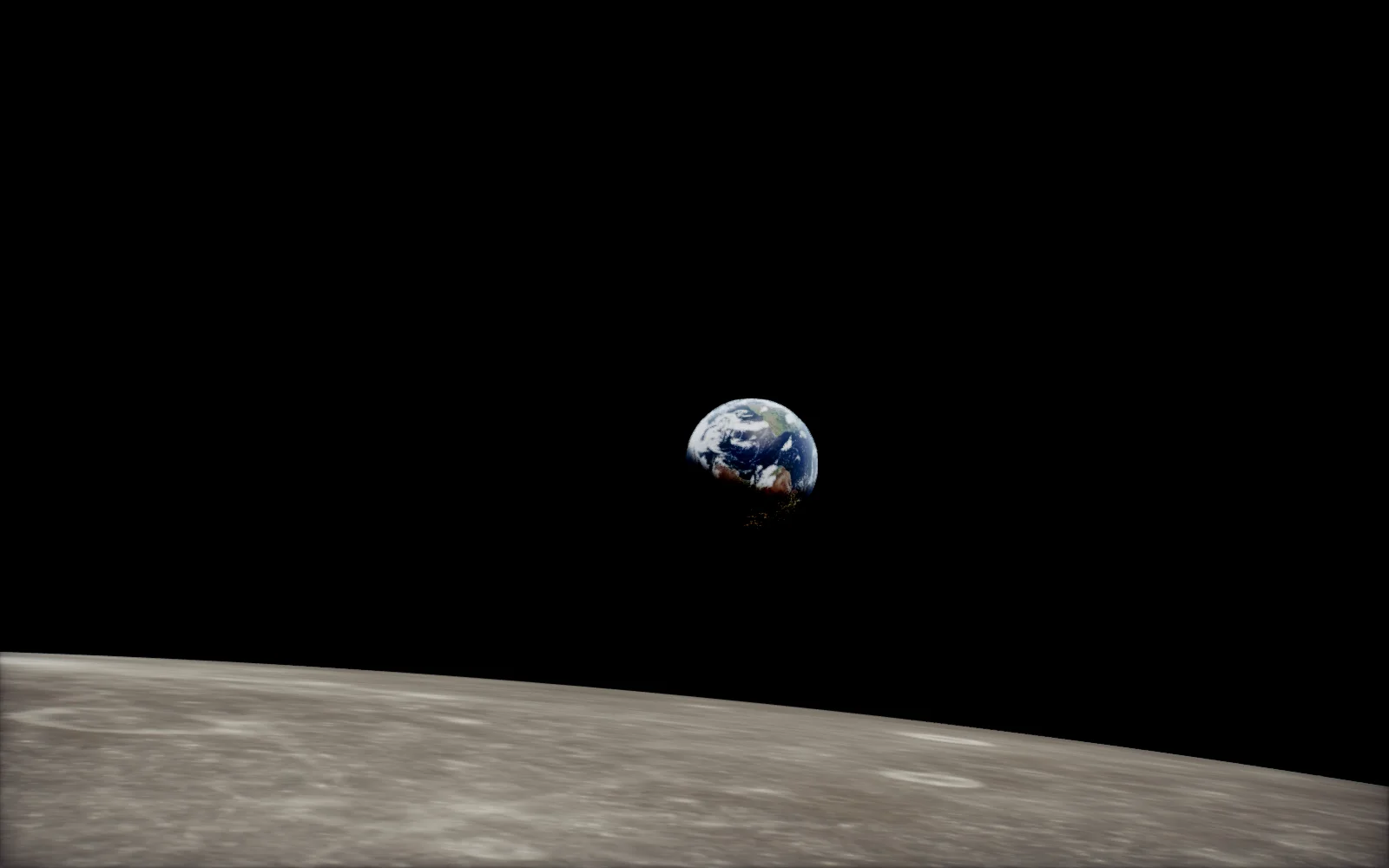
8 photos · live in 3D
Famous space photos, live in 3D
From the Blue Marble to the Pale Blue Dot, the pictures everyone knows, each drawn live by our 3D viewer from where the spacecraft was at the moment it took them.
The photos
Each one has its own page with the original, the live view beside it, a slider between the two, the story and the facts with their sources. Hover over a picture to see its live view.
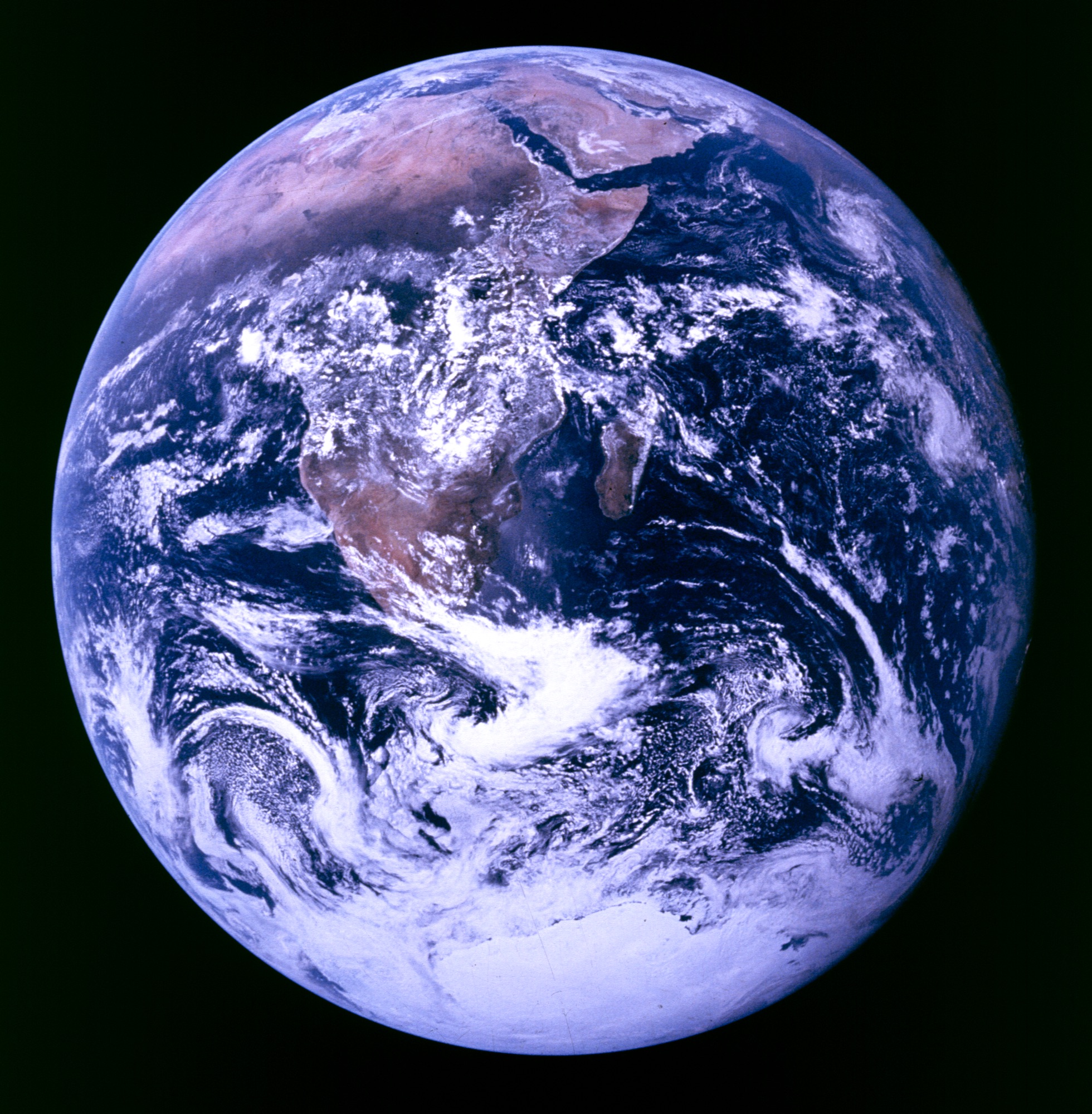
 The Blue Marble
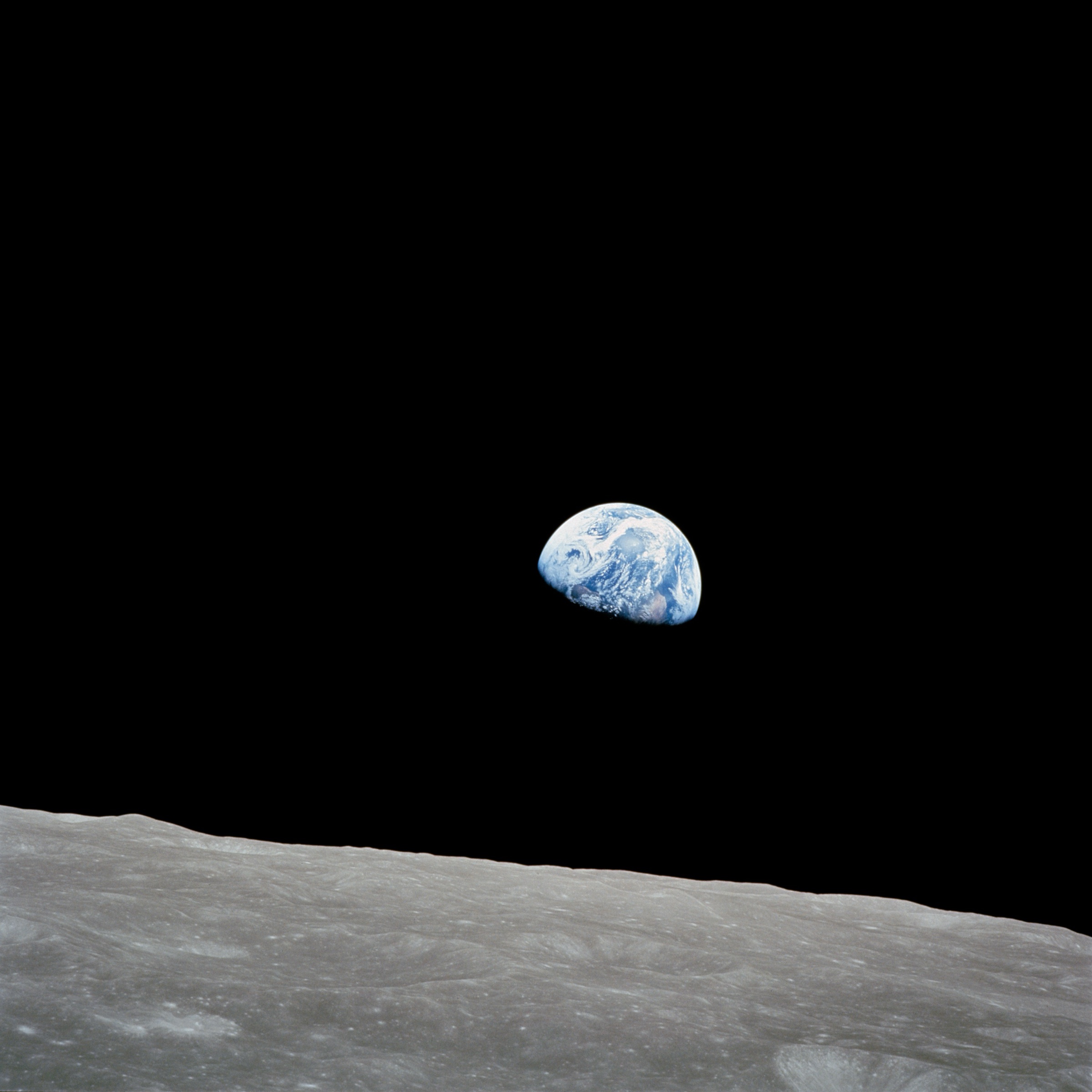
 Earthrise
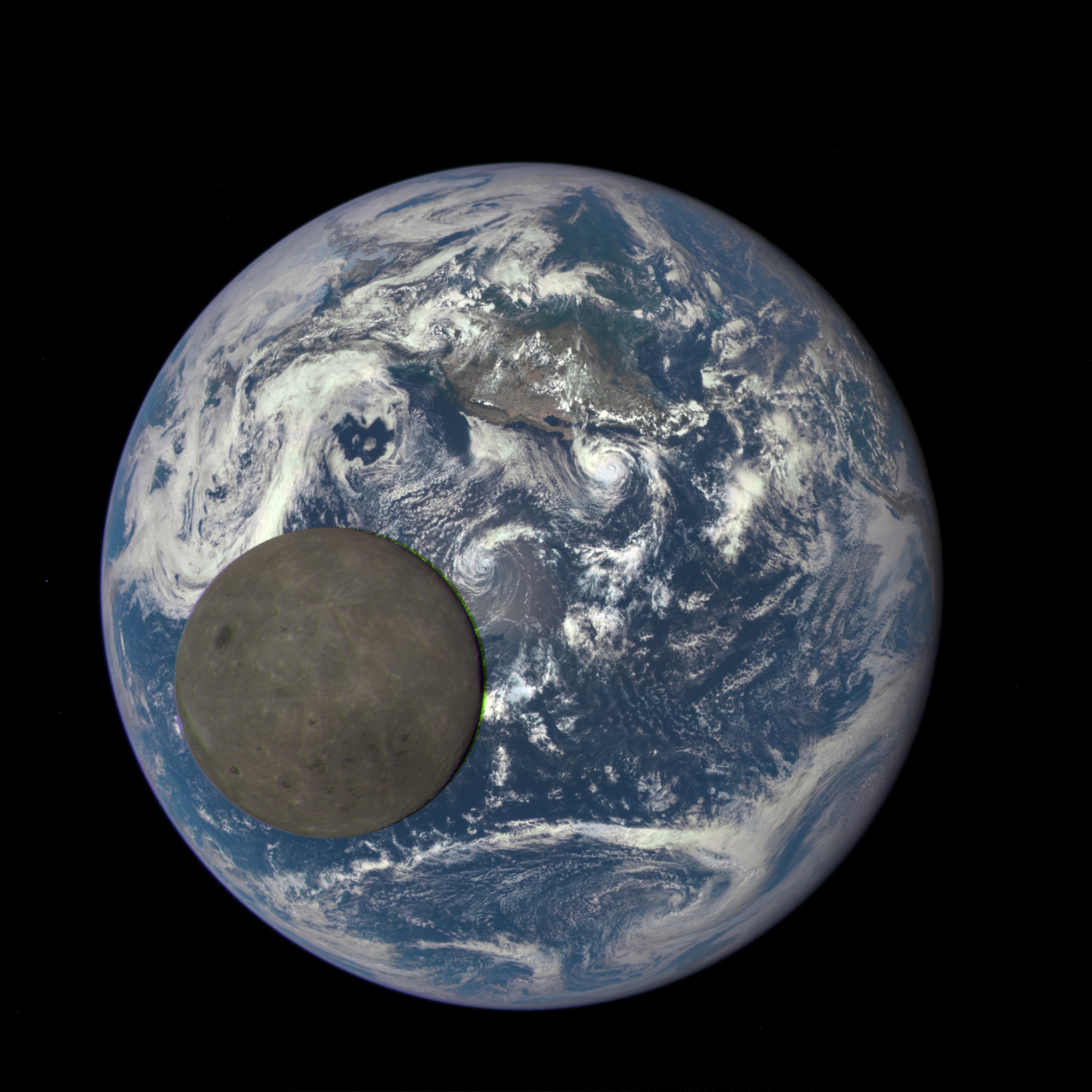
 The Moon crossing the Earth
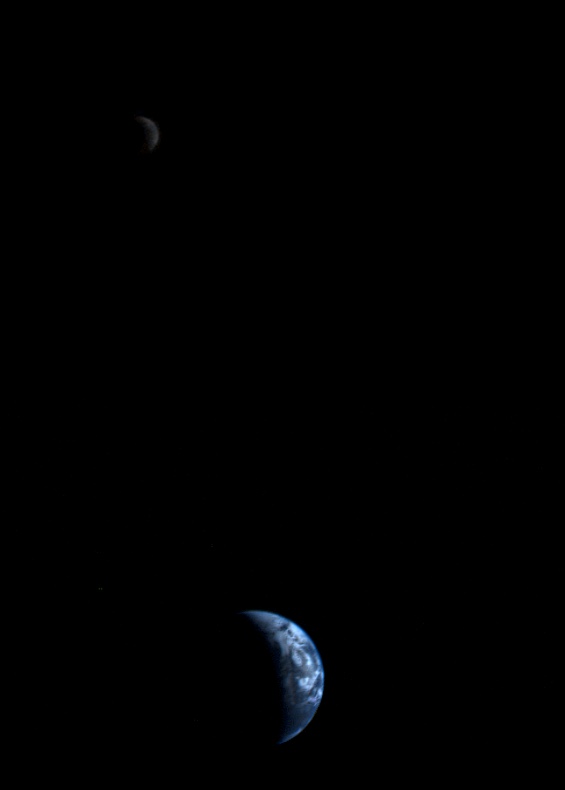
 The Earth and Moon, together

 Pale Blue Dot
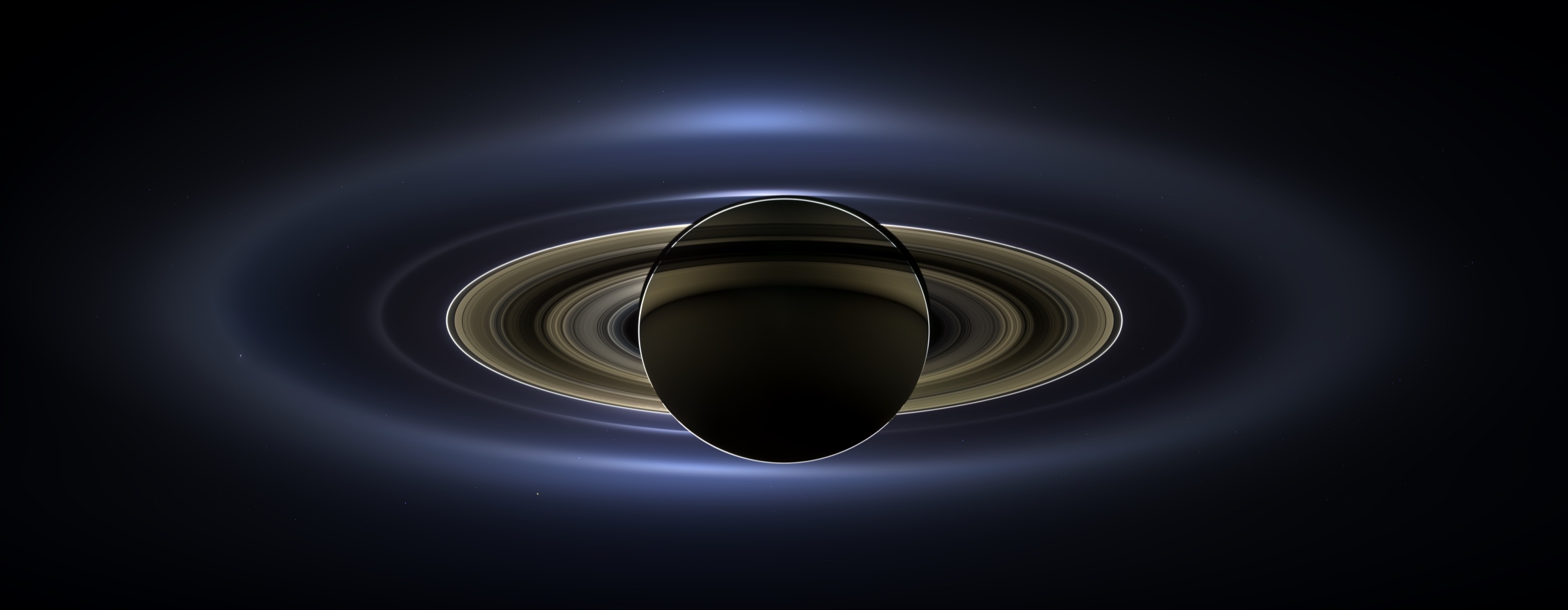
 The Day the Earth Smiled
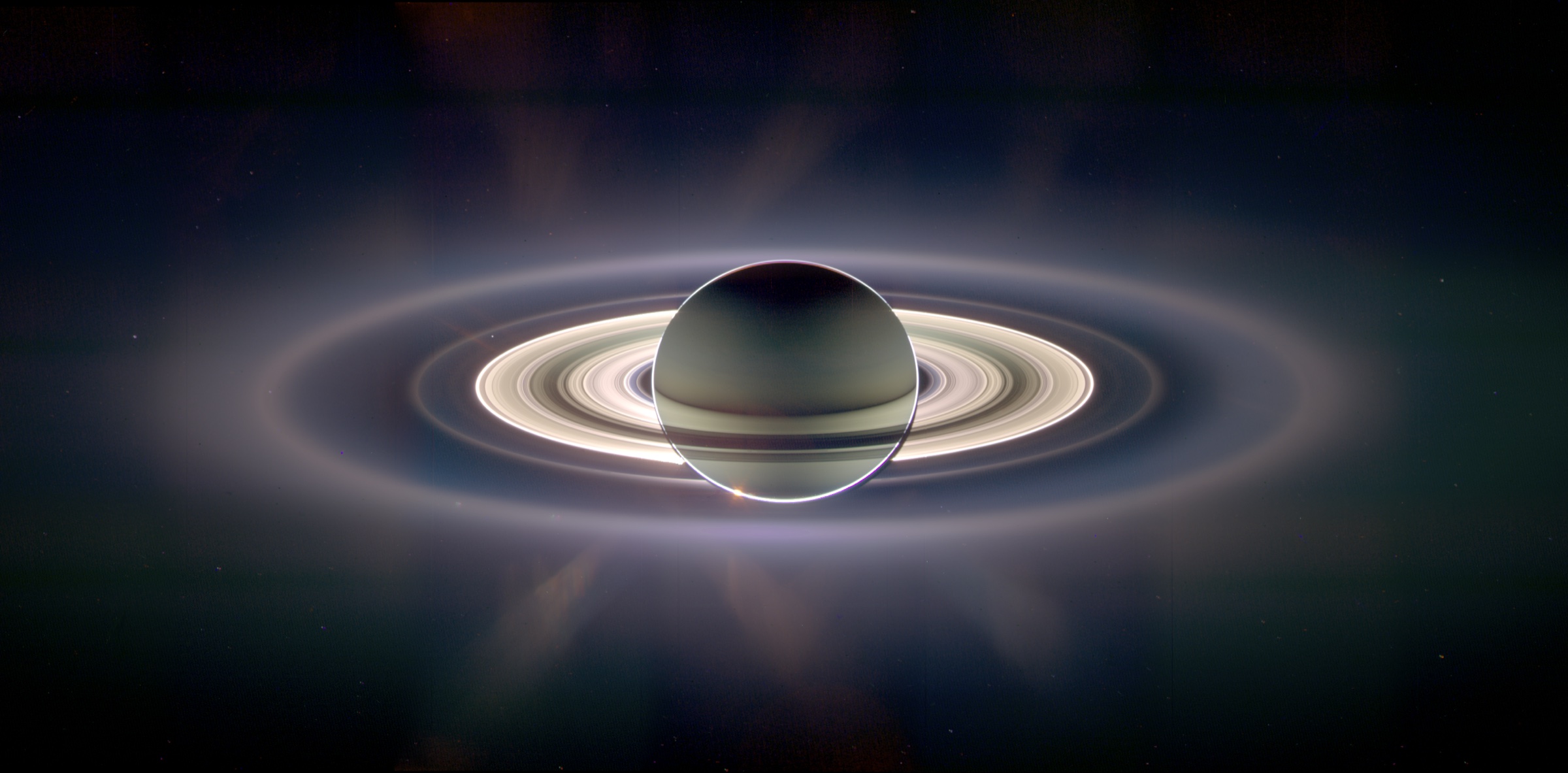
 In Saturn's Shadow
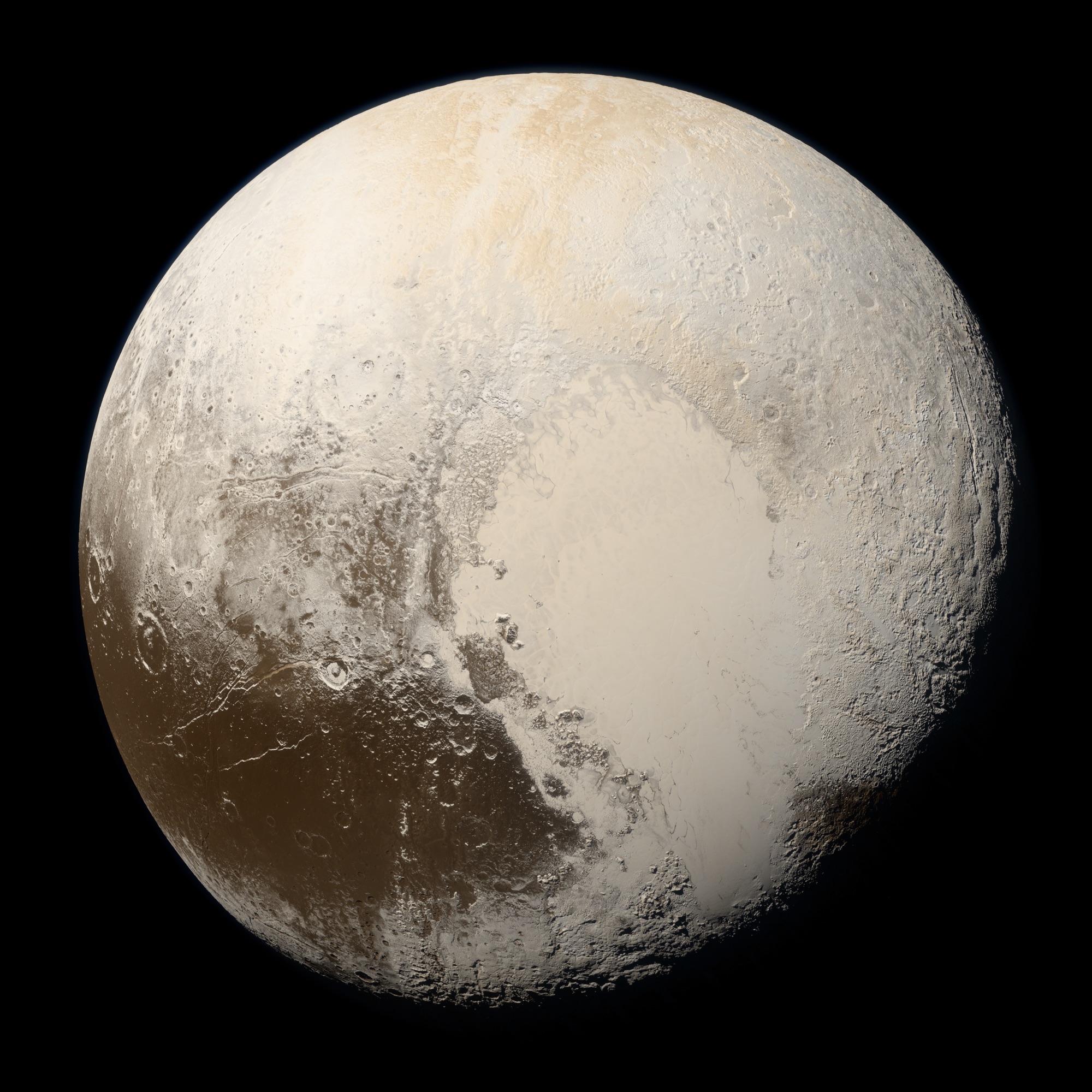
 Pluto in true colour
How the views are made
Each view starts from the moment of the picture. The viewer sets its clock to that second and switches to true scale, so the Sun, the planets and the moons are where they really were and as big as they really are.
Then the camera goes where the spacecraft was. For the robotic missions that position comes from JPL Horizons, NASA's ephemeris service, for the moment of the picture. Apollo isn't in Horizons, so the Blue Marble uses the post-flight states in the Apollo 17 Mission Report, carried forward to the moment, and Earthrise uses NASA's 2013 reconstruction of Apollo 8's fourth orbit.
The lens comes next. Each view has the published picture's field of view, from 22.2° for The Blue Marble down to 0.35° for Pale Blue Dot, and the camera is turned to the picture's own orientation, solved by matching something measured in each one: a coastline, a horizon, the line of a sunbeam. Press Both or Original in the viewer's panel and the original lies over the live view at the same scale.
Some things the viewer can't know, like the clouds on the day, so it draws its own map of them. Where NASA brightened a faint world so it would show, the page says whether the live view does the same, and every page has a short note on what differs.
On your Mac, as a screensaver
The Mac screensaver plays the photos as one of its shows: each view live from its moment, the clock running on at real pace, a fade through black to the next one and a small caption with the name, the spacecraft and the date.
Questions
What is the Pale Blue Dot photo?
Voyager 1 took the Pale Blue Dot at 4:48 GMT on 14 February 1990, 34 minutes before its cameras were switched off for good. The Earth is less than a pixel, sitting in a ray of sunlight scattered inside the camera. More on the Pale Blue Dot page.
Who took the Earthrise photo?
NASA's reconstruction times the colour Earthrise, AS08-14-2383, at 16:39:39.7 UT on 24 December 1968. More on the Earthrise page.
When was the Blue Marble photo taken?
The Apollo 17 crew took it on 7 December 1972, on the way to the Moon. More on the Blue Marble page.
How are the live views made?
The viewer sets its clock to the moment of the picture, switches to true scale and puts the camera where the spacecraft was, with the published picture's field of view and orientation. The original can be laid over the live view to compare.
Can I watch them as a screensaver?
Yes. The Mac screensaver has them as a show, one photo after another, each live from its moment.
Sources
- NASA JPL: Horizons ephemeris system, the spacecraft positions
- Apollo 17 Mission Report (MSC-07904), the Blue Marble's position
- NASA Scientific Visualization Studio: Earthrise, the reconstruction, Earthrise's position
- Each photo's page lists the sources for its facts and credits its original: The Blue Marble, NASA; Earthrise, NASA; The Moon crossing the Earth, NASA/NOAA (NASA EPIC Team); The Earth and Moon, together, NASA/JPL; Pale Blue Dot, NASA/JPL-Caltech; The Day the Earth Smiled, NASA/JPL-Caltech/SSI; In Saturn's Shadow, NASA/JPL/Space Science Institute; Pluto in true colour, NASA/Johns Hopkins University Applied Physics Laboratory/Southwest Research Institute.