Voyager 1 · 18 September 1977
The Earth and Moon, together
Thirteen days after launch, Voyager 1 turned its camera back and caught the crescent Earth and Moon together, the first picture of its kind taken by a spacecraft, with eastern Asia and the western Pacific on the Earth.
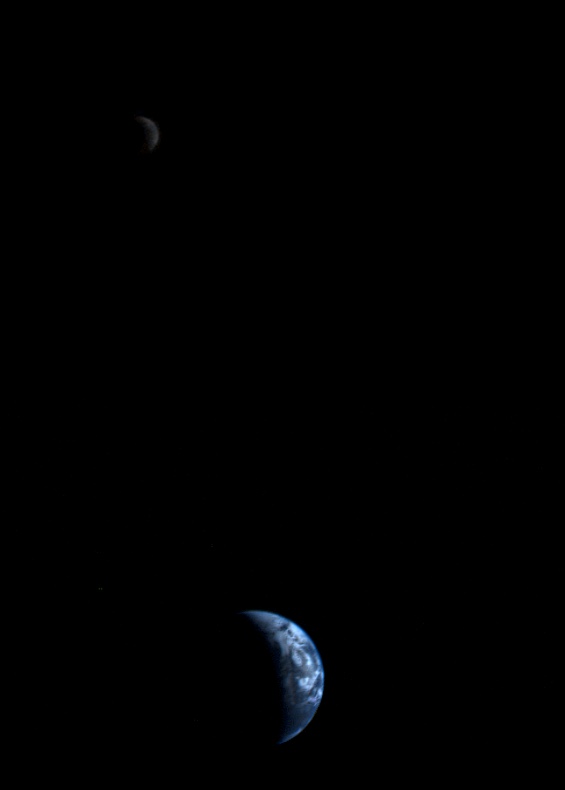
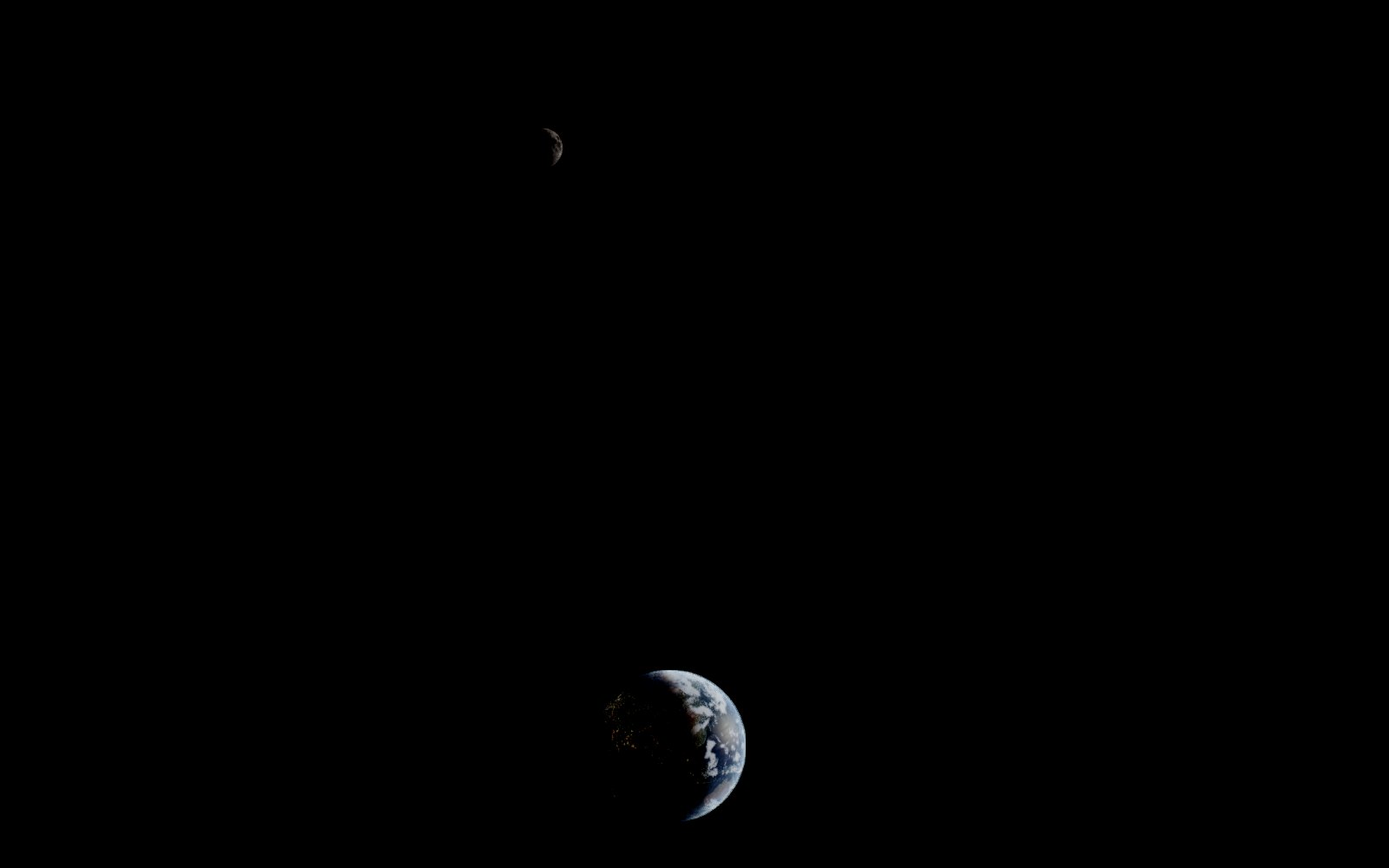
Slide between them
The original laid over the live view at the same scale, as the viewer does when you press Both or Original. Drag across the picture, or use the arrow keys.
Where it was taken from
Voyager 1 was about 11.7 million km from the Earth on 18 September 1977. The record gives the day but not the time, so the live view is set at 22:45 UTC, an estimate.
The live view puts the viewer's camera right there. The clock goes to that moment, everything switches to true scale, and the camera sits where the spacecraft was, its position from JPL Horizons, NASA's ephemeris service, for that moment [2]. The lens matches the published picture, 0.35° from top to bottom, and the camera is turned to the picture's own orientation, so the original lies over the view at the same scale.
Where the two differ
In the original the Moon was brightened three times so it would show beside the Earth. Here it is at its true brightness.
Everything in the live view comes from the viewer's own maps and its own light, drawn at one instant. The geometry comes from the spacecraft's position, the lens and the picture's orientation, so where everything was, how big it looked and which way it was lit should all line up with the original.
The facts
- On 18 September 1977 Voyager 1 took the first picture of its kind from a spacecraft: the crescent Earth and Moon together. [1]
- NASA gives the distance as 11.66 million kilometres (7.25 million miles). [1]
- The Moon was brightened three times relative to the Earth so both would show. [1]
- The crescent shows eastern Asia, the western Pacific and part of the Arctic. [1]
- Voyager 1 had launched 13 days earlier, on 5 September 1977. [1]
Open it live
In the viewer the clock runs on from the moment at real pace, so you can watch the scene move the way it did after the shutter closed. Press Both or Original to lay the original over it, or drag to look around from where Voyager 1 was.
Open it live in 3D → All eight as a Mac screensaver
The other seven
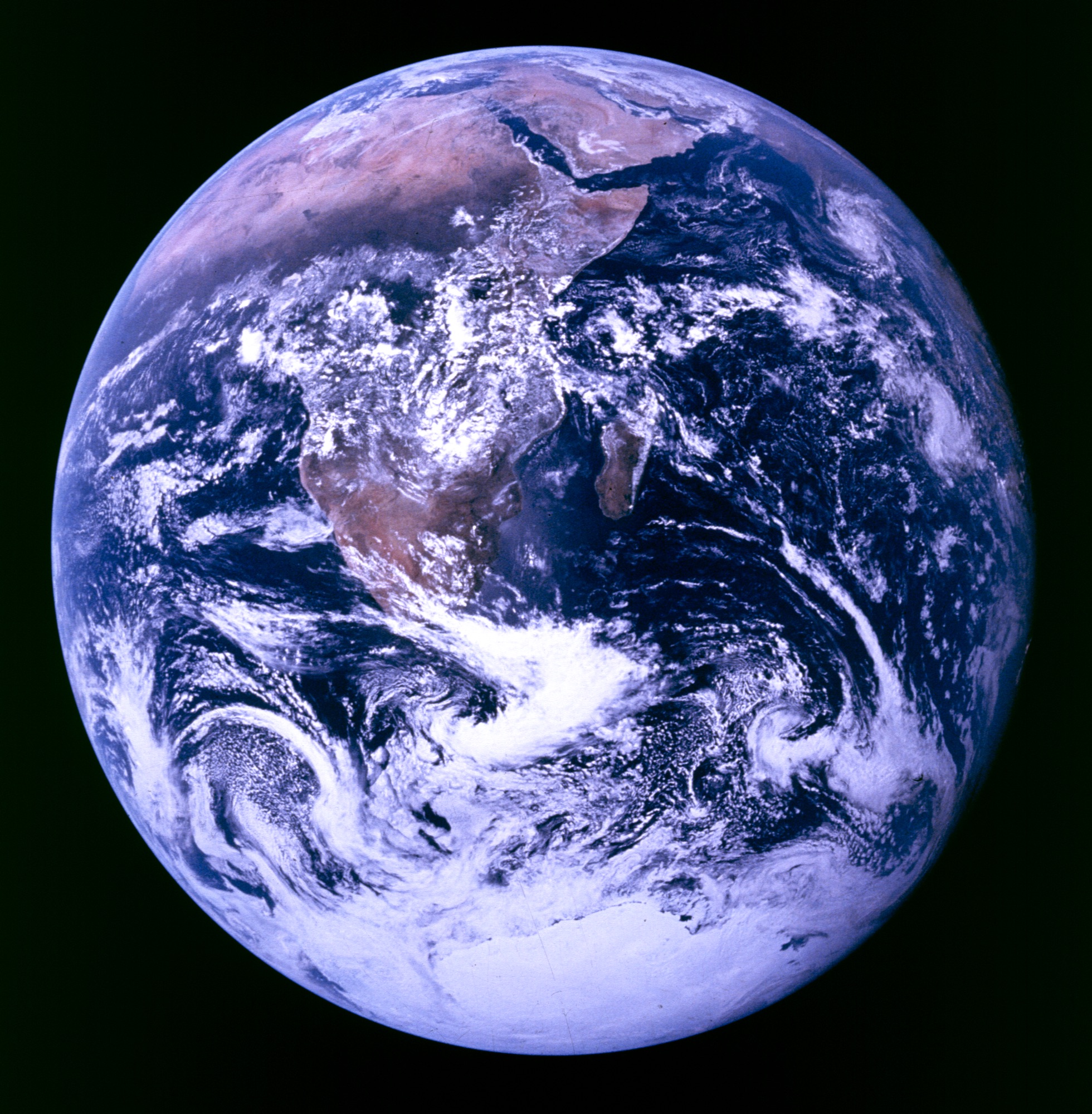
 The Blue Marble
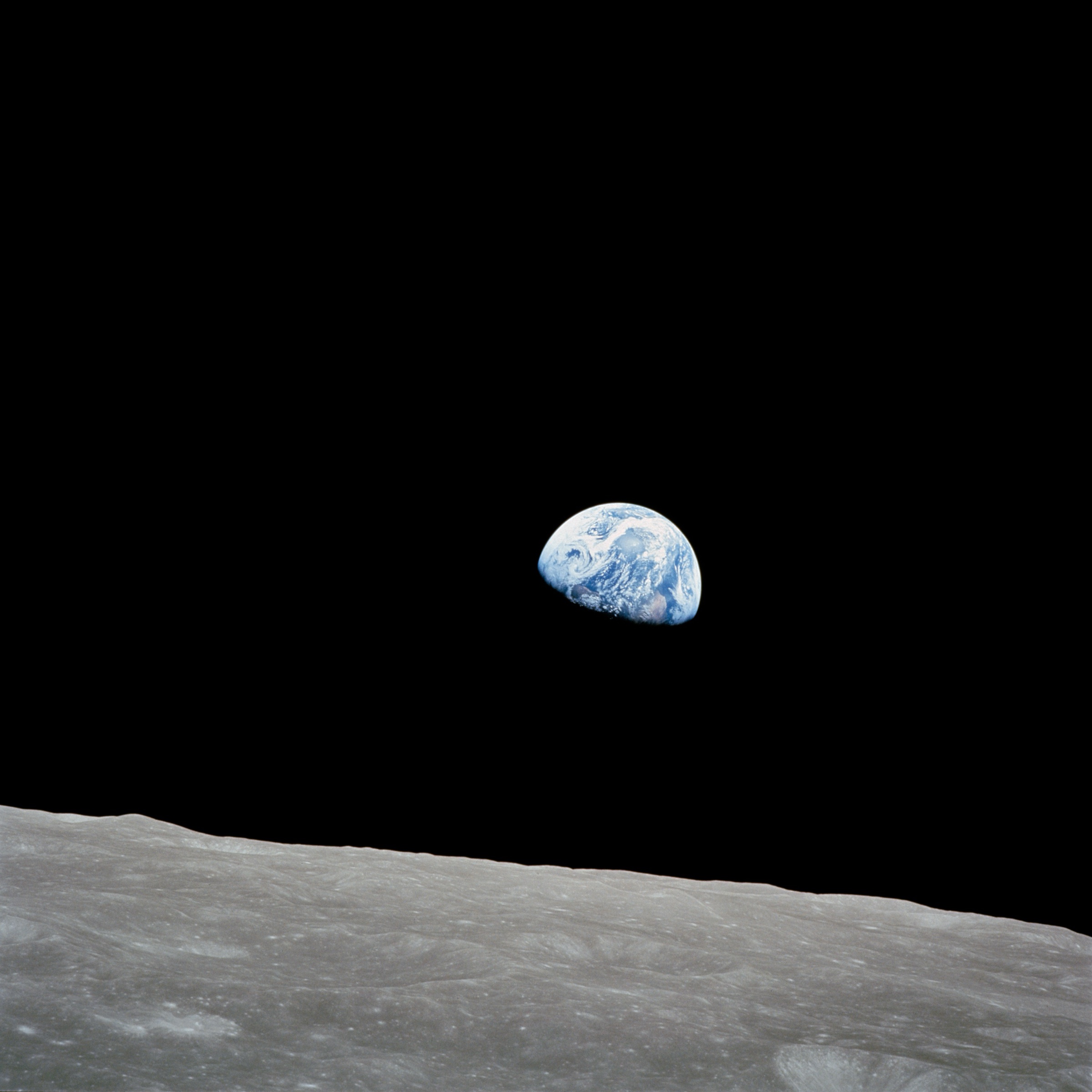
 Earthrise
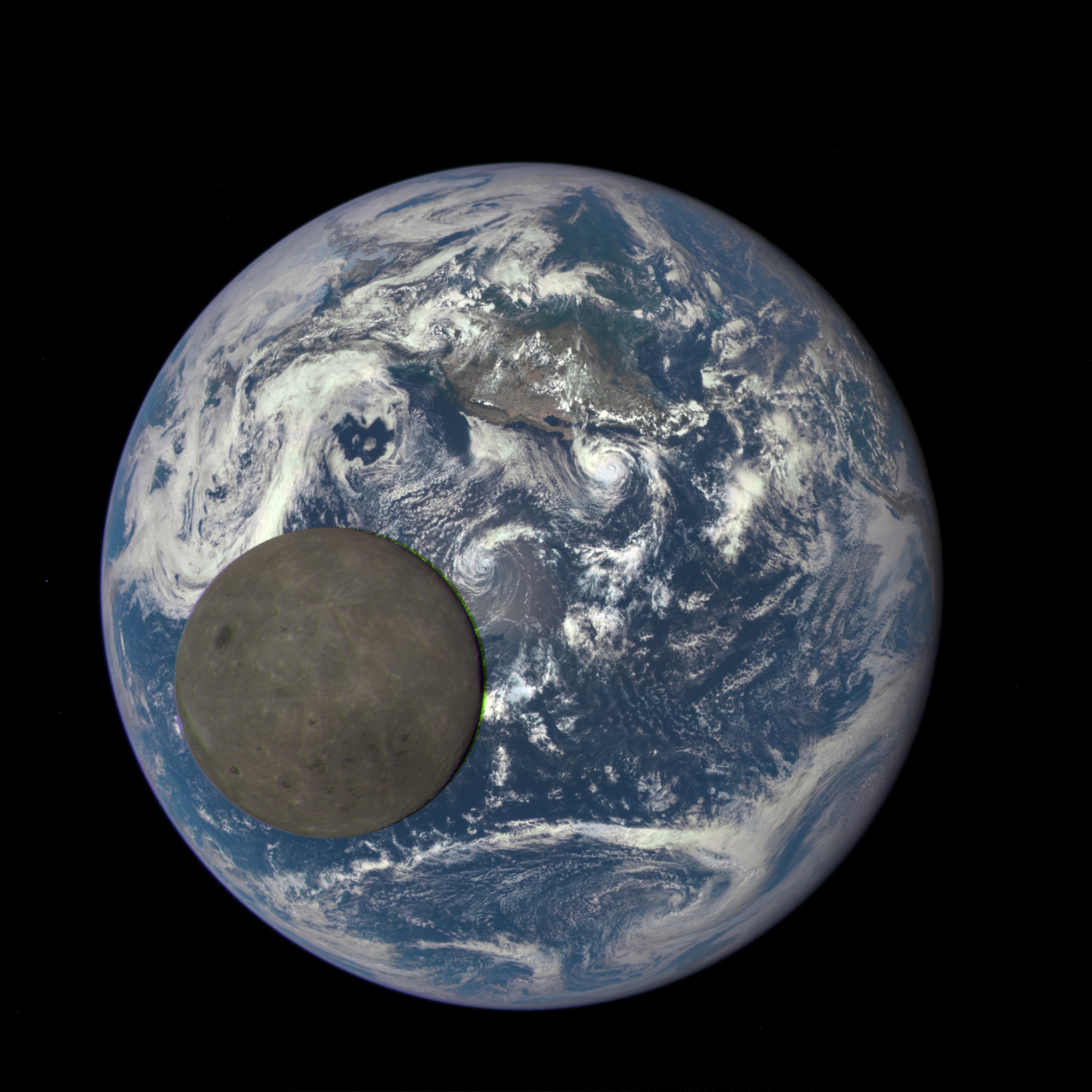
 The Moon crossing the Earth
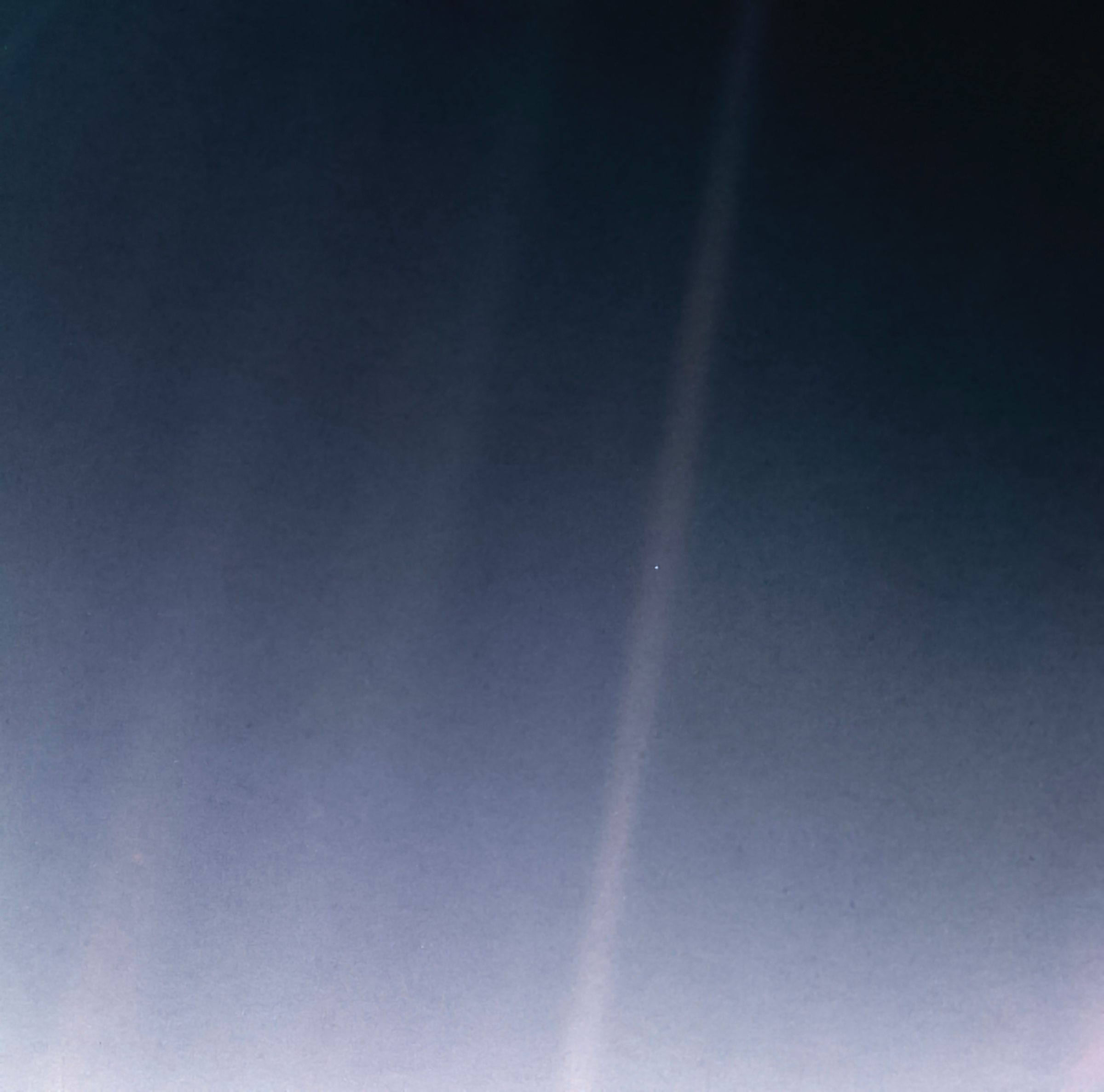
 Pale Blue Dot
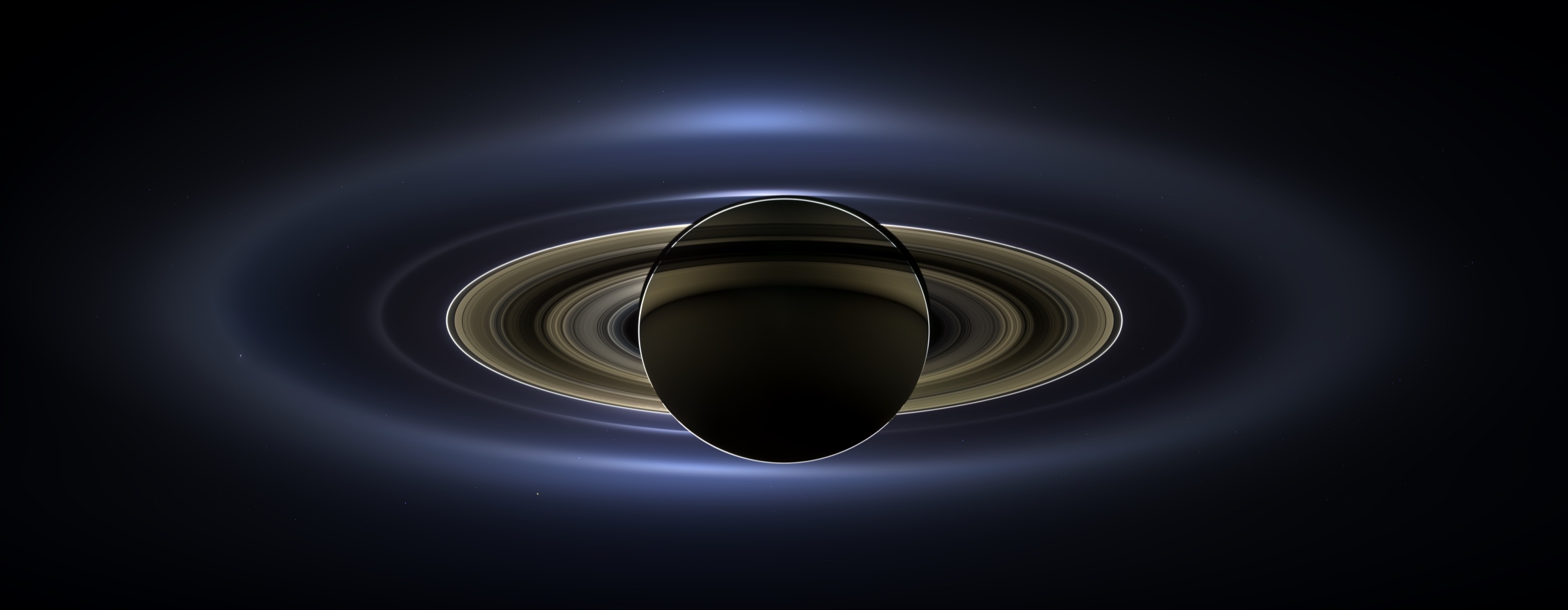
 The Day the Earth Smiled
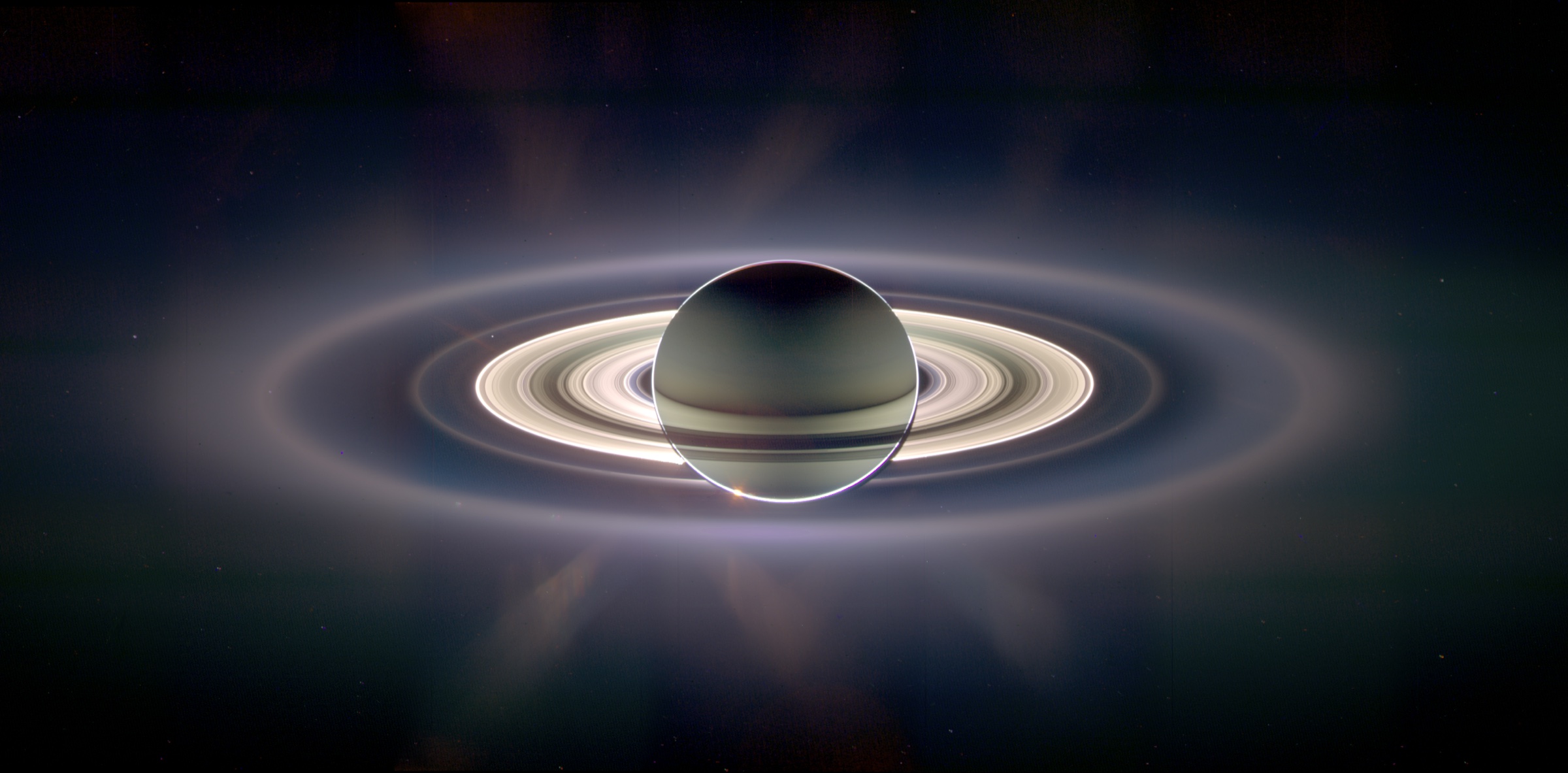
 In Saturn's Shadow
 Pluto in true colour
All the famous photos, and how the views are made
Sources
Original picture: NASA/JPL, from NASA Photojournal: Crescent Earth and Moon. JPL pictures may be used for any purpose without prior permission, with the credit line. JPL image use policy. The live view is ours, rendered by the Our Solar System viewer.