East Asia, Australia, the Pacific, the Americas · 3 March 2026
Total lunar eclipse of 3 March 2026
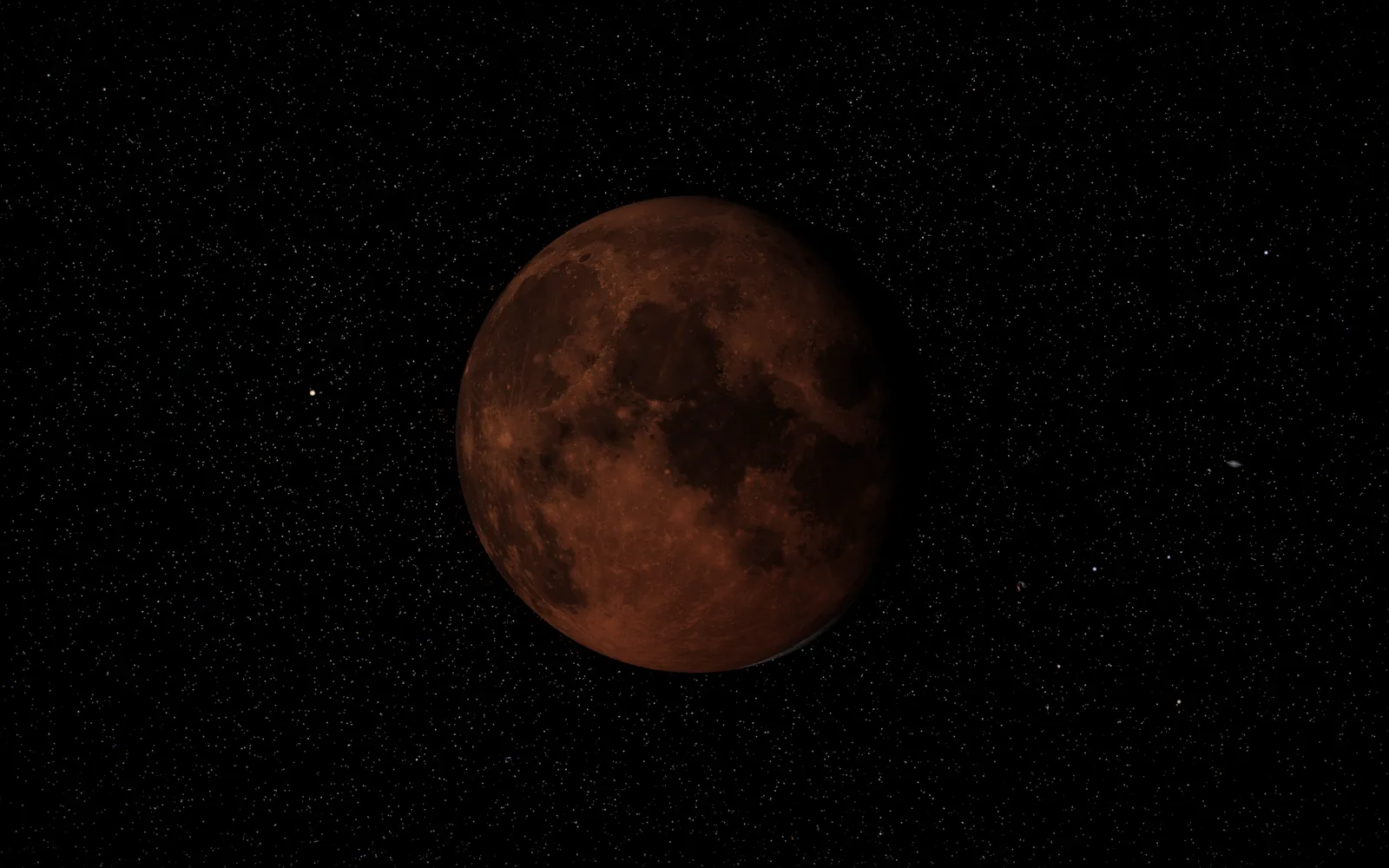
The Moon turns a deep red for 58 minutes of totality. Seen from wherever the Moon is up: East Asia, Australia, the Pacific, the Americas.
This eclipse happened on 3 March 2026.
Next: Total lunar eclipse, 31 December 2028
GreatestTuesday 3 March 2026, 11:33 UTC
Your timeTuesday 3 March 2026, 11:33 UTC
Where and when to see it
A lunar eclipse is seen from wherever the Moon is above the horizon at the time: East Asia, Australia, the Pacific, the Americas. No path, no special place; step outside and look at the full Moon.
| Stage | UTC | Your time |
|---|---|---|
| Partial eclipse begins | 09:50 | 09:50 UTC |
| Totality begins | 11:04 | 11:04 UTC |
| Greatest eclipse | 11:33 | 11:33 UTC |
| Totality ends | 12:02 | 12:02 UTC |
| Partial eclipse ends | 13:17 | 13:17 UTC |
Times are the same for everyone; only the clock on the wall differs. Before and after these, the Moon passes through Earth's faint outer shadow, which dims it too little to notice.
What is happening
The Earth passes between the Sun and the full Moon, and its shadow falls across the Moon. Its dark inner part, the umbra, is about three times as wide as the Moon.
For 58 min the whole Moon sits inside it. No direct sunlight reaches it then, only light bent through the Earth's atmosphere, which filters out the blue just as it does at sunset. The Moon glows copper or deep red, lit by every sunrise and sunset on Earth at once; how dark depends on how much dust and cloud is in our air.
How to watch it
- It is completely safe to look at with your eyes, binoculars or a telescope. You are only looking at the Moon.
- Binoculars show the colour and the shadow's edge best. A phone on a tripod or wall can catch it with a few seconds' exposure.
- Cloud is the only thing that can spoil it, so check the forecast and have a second place in mind.
See it in 3D
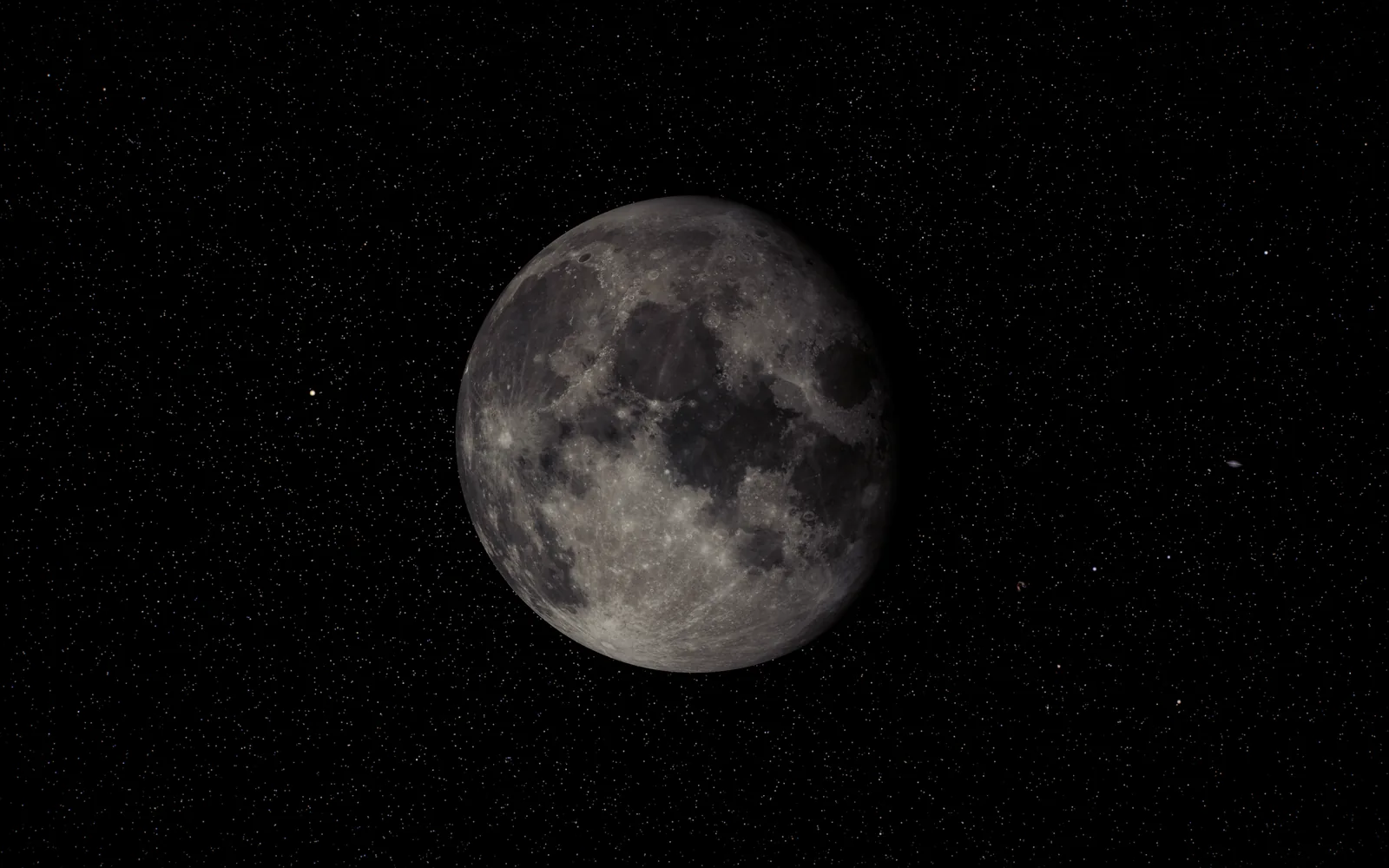
The Moon sliding into the Earth’s shadow on the night and turning red, drawn by our 3D viewer from the real positions of the Sun, the Moon and the Earth. Press play to load it here, then play, pause and scrub through the eclipse, or open it in the full viewer.
Open this eclipse in the 3D viewer →
Get a reminder
We email you a day or two before, with the time. Leave your email once and we send a code to confirm it; nothing else arrives unless you ask for it.
Questions
What time is the lunar eclipse on 3 March 2026?
Greatest eclipse is at 11:33 UTC. The partial phases run from about 09:50 to 13:17 UTC, with totality from about 11:04 to 12:02 UTC. The table on this page shows them in your own time.
Where can I see it?
From anywhere the Moon is up at the time: East Asia, Australia, the Pacific, the Americas.
Is it safe to look at a lunar eclipse?
Yes. It is only the Moon in the Earth's shadow, safe to the eye, through binoculars and through a telescope.
Why does the Moon turn red?
The only light reaching it during totality has passed through the Earth's atmosphere, which scatters away the blue and lets the red through, the same reason sunsets are red.
When is the next lunar eclipse?
Partial lunar eclipse, 28 August 2026. The next total lunar eclipse is 31 December 2028.
More in the sky
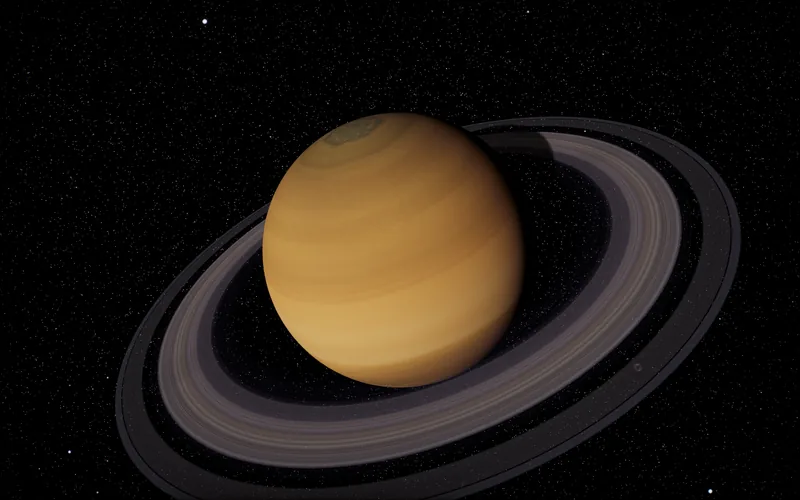 4 October 2026Saturn at opposition1.26 billion km · magnitude 0.3
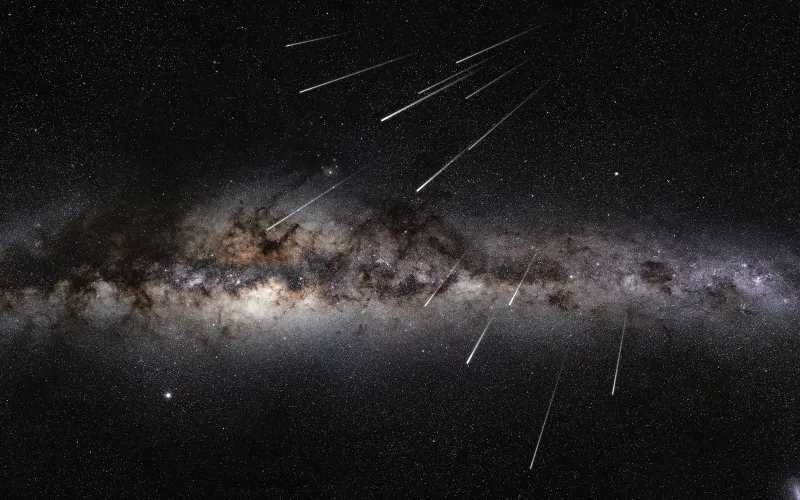 21 October 2026Orionids 2026Up to 20 an hour · 78% Moon
17 November 2026Leonids 2026Up to 15 an hour · 55% Moon
21 October 2026Orionids 2026Up to 20 an hour · 78% Moon
17 November 2026Leonids 2026Up to 15 an hour · 55% Moon
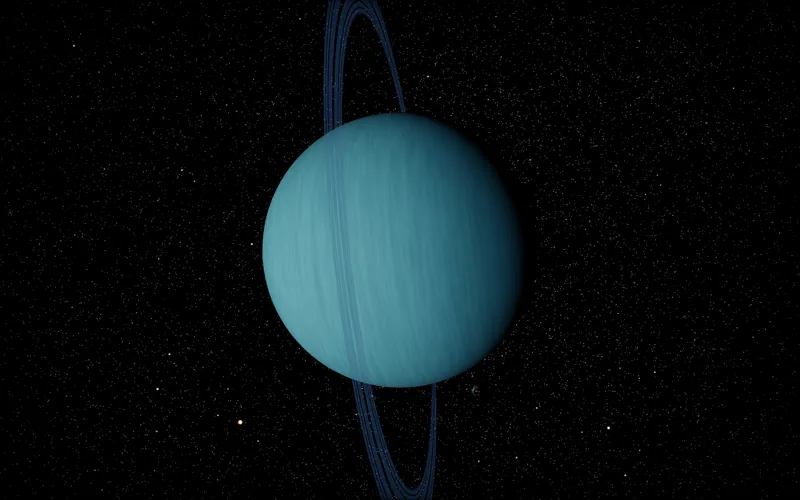 25 November 2026Uranus at opposition2.76 billion km · magnitude 5.7
14 December 2026Geminids 2026Up to 150 an hour · 25% Moon
4 January 2027Quadrantids 2027Up to 80 an hour · 12% Moon
25 November 2026Uranus at opposition2.76 billion km · magnitude 5.7
14 December 2026Geminids 2026Up to 150 an hour · 25% Moon
4 January 2027Quadrantids 2027Up to 80 an hour · 12% Moon
Every eclipse, meteor shower and planet at opposition, or the whole calendar. Tonight's planets are on what is visible tonight.
Sources
- NASA Eclipse Web Site: lunar eclipses 2021 to 2030
- NASA: diagram and contact times for this eclipse (PDF)
- Wikipedia: this lunar eclipse
- The times and positions on this page come from our own sky calendar, built on the sources above, the same one the 3D viewer runs on.