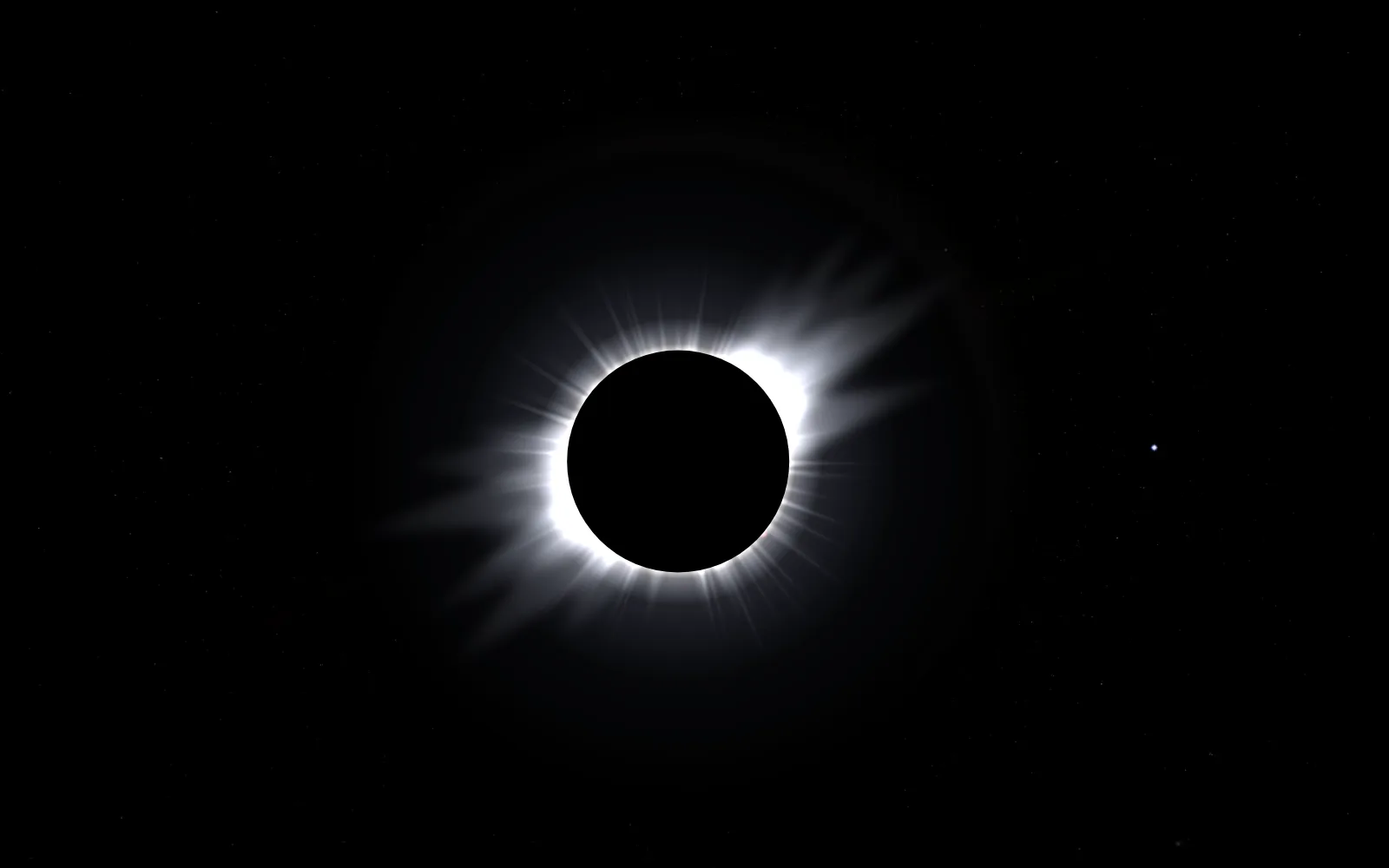
Greenland, Iceland, Spain · 12 August 2026
Total solar eclipse of 12 August 2026
Totality crosses Greenland, Iceland and northern Spain and lasts up to 2 minutes 18 seconds. Europe, west Africa and northern North America see a partial eclipse.
This eclipse happened on 12 August 2026.
GreatestWednesday 12 August 2026, 17:45 UTC
Your timeWednesday 12 August 2026, 17:45 UTC
Where to see totality
The path of totality runs across the Arctic, Greenland, Iceland, northern Spain and the Balearic Islands.
| Place | Totality |
|---|---|
| Reykjavík, Iceland | 1 min 1 s |
| Oviedo, Spain | 1 min 49 s |
| Burgos, Spain | 1 min 44 s |
| Palma, Mallorca | 1 min 36 s |
| Valladolid, Spain | 1 min 27 s |
| Zaragoza, Spain | 1 min 25 s |
| Valencia, Spain | 1 min |
Durations on the centre line or in the town itself. A few kilometres towards the edge of the path cuts them sharply, so head for the middle.
Madrid and Barcelona lie just outside the path, where the Moon covers almost all of the Sun.
In Spain totality comes in the evening with the Sun low in the west, so a clear western horizon matters.
Outside the path, Europe, west Africa and northern North America see a partial eclipse. The Moon takes a bite out of the Sun there, bigger the closer you are to the path.
NASA's interactive map shows the edges of the path down to the street, with the times for any spot you click.
What is happening
The Moon passes exactly between the Sun and the Earth. It is about 400 times smaller than the Sun and, by a coincidence, about 400 times closer, so from inside its shadow it covers the Sun's bright face exactly.
In the minutes before totality the light turns strange and thin, the air cools and shadows sharpen. Then the last bead of sunlight vanishes, the sky drops to a deep twilight blue, the brightest planets and stars come out, and the Sun's corona, its outer atmosphere at over a million degrees, spreads around the black Moon in pearly streamers. Pink prominences may show on the edge. Here that lasts up to 2 min 18 s.
Only the narrow band under the Moon's darkest shadow sees totality. A far wider area sees a partial eclipse, where the Moon covers part of the Sun and daylight hardly changes.
How to watch safely
- Wear eclipse glasses that meet the ISO 12312-2 standard for every moment the Sun is even partly visible. Sunglasses, however dark, are not safe.
- Never look through binoculars, a telescope or a camera without a proper solar filter on the front. Glasses behind the eyepiece do not protect you; the optics burn through them.
- A pinhole projector works anywhere: a small hole in card throws an image of the Sun onto paper behind it. A colander or the gaps between leaves do the same.
- During totality only, once the Sun is completely covered, you can take the glasses off and look at the corona. Put them back on the moment the first bright point of sunlight returns.
- Damage to the eye from the Sun does not hurt while it happens, which is why the rules are strict.
See it in 3D
The Moon’s shadow crossing the Earth on the day, drawn by our 3D viewer from the real positions of the Sun, the Moon and the Earth, with the umbra and penumbra at their true size. Press play to load it here, then play, pause and scrub through the eclipse, or open it in the full viewer.
Open this eclipse in the 3D viewer →
Get a reminder
We email you a day or two before, with the time. Leave your email once and we send a code to confirm it; nothing else arrives unless you ask for it.
Questions
What time is the total solar eclipse on 12 August 2026?
Greatest eclipse is at 17:45 UTC. The exact times depend on where you stand, and this page shows them in your own time zone at the top.
Where can I see totality?
Along a path across the Arctic, Greenland, Iceland, northern Spain and the Balearic Islands. Europe, west Africa and northern North America see a partial eclipse.
How long does totality last?
Up to 2 min 18 s. Reykjavík, Iceland: 1 min 1 s; Oviedo, Spain: 1 min 49 s; Burgos, Spain: 1 min 44 s.
Is it safe to look at?
Only during totality itself. Before and after, while any of the Sun shows, use ISO 12312-2 eclipse glasses or a pinhole projector, and never look through binoculars, a telescope or a camera without a solar filter on the front.
When is the next solar eclipse after this one?
Annular solar eclipse, 6 February 2027, seen from Chile, Argentina, South Atlantic, West Africa. The next total one is 2 August 2027, across Spain, North Africa, Egypt.
More in the sky
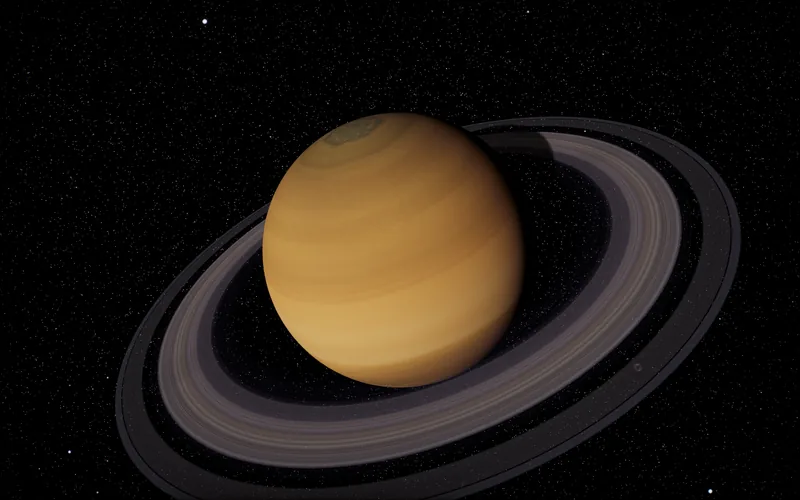 4 October 2026Saturn at opposition1.26 billion km · magnitude 0.3
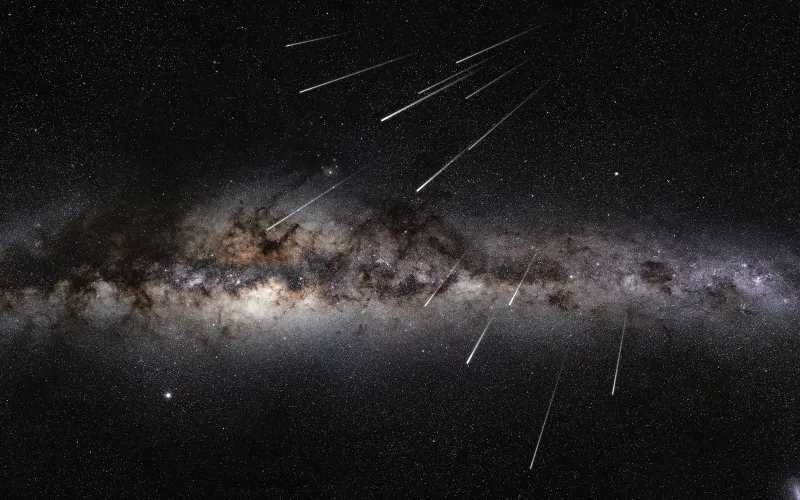 21 October 2026Orionids 2026Up to 20 an hour · 78% Moon
17 November 2026Leonids 2026Up to 15 an hour · 55% Moon
21 October 2026Orionids 2026Up to 20 an hour · 78% Moon
17 November 2026Leonids 2026Up to 15 an hour · 55% Moon
 25 November 2026Uranus at opposition2.76 billion km · magnitude 5.7
14 December 2026Geminids 2026Up to 150 an hour · 25% Moon
4 January 2027Quadrantids 2027Up to 80 an hour · 12% Moon
25 November 2026Uranus at opposition2.76 billion km · magnitude 5.7
14 December 2026Geminids 2026Up to 150 an hour · 25% Moon
4 January 2027Quadrantids 2027Up to 80 an hour · 12% Moon
Every eclipse, meteor shower and planet at opposition, or the whole calendar. Tonight's planets are on what is visible tonight.
Sources
- NASA Eclipse Web Site: the total solar eclipse of 12 August 2026
- NASA: interactive map of the path
- NASA: path table, with times and durations along the centre line
- Wikipedia: local circumstances for towns on the path
- NASA: eclipse safety
- American Astronomical Society: solar eclipse eye safety
- The times and positions on this page come from our own sky calendar, built on the sources above, the same one the 3D viewer runs on.