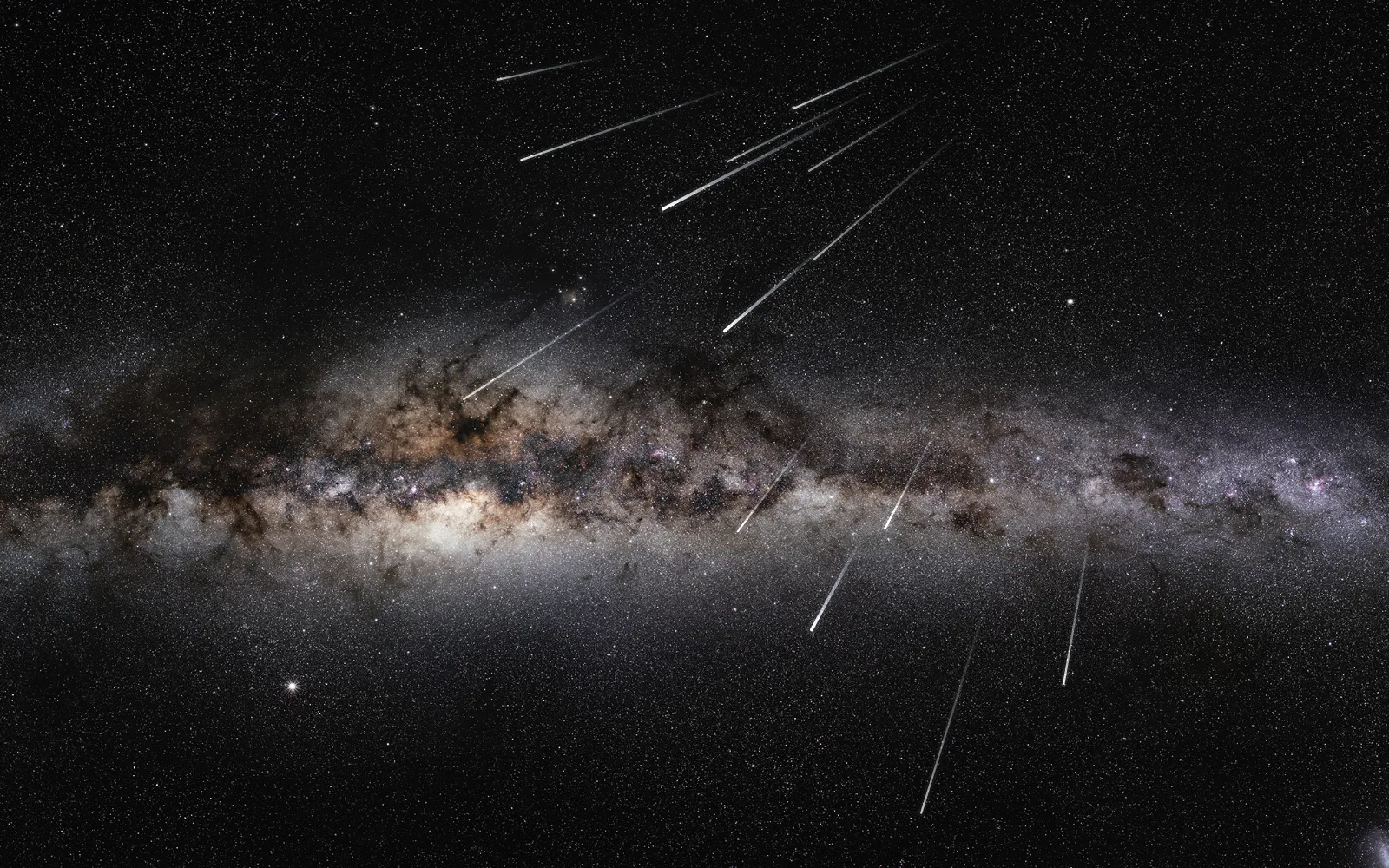
Meteor shower · peak 14 December 2027
Geminid meteor shower 2027
The Geminids reach their peak on 14 December 2027, with up to 150 meteors an hour from a dark site. A 98% Moon washes out all but the brightest meteors.
Next: Geminid meteor shower peak, 14 December 2028
PeakTuesday 14 December 2027, 19:54 UTC
Your timeTuesday 14 December 2027, 19:54 UTC
When and where to look
The best night is the night of 14 to 15 December. The richest shower of the year, with meteors from mid-evening onwards and the most after midnight. The radiant is up all night.
The meteors seem to come from the radiant, in Gemini, near Castor, but they appear all over the sky. Look about halfway up and 40 to 60 degrees away from it, where the trails are longest.
| From | Radiant at its highest |
|---|---|
| London | 72° |
| New York | 82° |
| Delhi | 86° |
| São Paulo | 34° |
| Sydney | 23° |
The higher the radiant, the more meteors you see. When it is low, the ones you do see skim the horizon in long, slow trails.
The Moon
A 98% Moon washes out all but the brightest meteors.
Up to 150 an hour is the rate under a perfectly dark sky with the radiant overhead. From a typical dark site expect a third to a half of that; from a town, a handful.
What is happening
Every year the Earth crosses a stream of dust shed by the asteroid 3200 Phaethon. The grains, most no bigger than sand, hit the top of the atmosphere at 35 km/s and burn up 80 to 120 km above the ground, each one a streak of light.
Because they all arrive on parallel paths, perspective makes them seem to spread from one point, the radiant, like a road vanishing into the distance. They are named after Gemini, the constellation their radiant lies in.
How to watch
- Get away from lights. A dark field or hill outside town shows several times as many meteors as a garden in the city.
- Give your eyes 20 to 30 minutes to adapt, and keep your phone screen dim or red.
- Lie back on a reclining chair or a mat and take in as much sky as you can. No telescope or binoculars: they show too little sky.
- Be patient. Meteors come in bursts and lulls; give it at least an hour.
- To photograph them, put a phone or camera on a tripod, point it about 45 degrees from the radiant and take long exposures one after another.
See it in 3D
The Earth, where the meteors fall, rendered live from today's real positions by our 3D viewer. Press play to load it here, or open the full viewer to fly anywhere in the solar system.
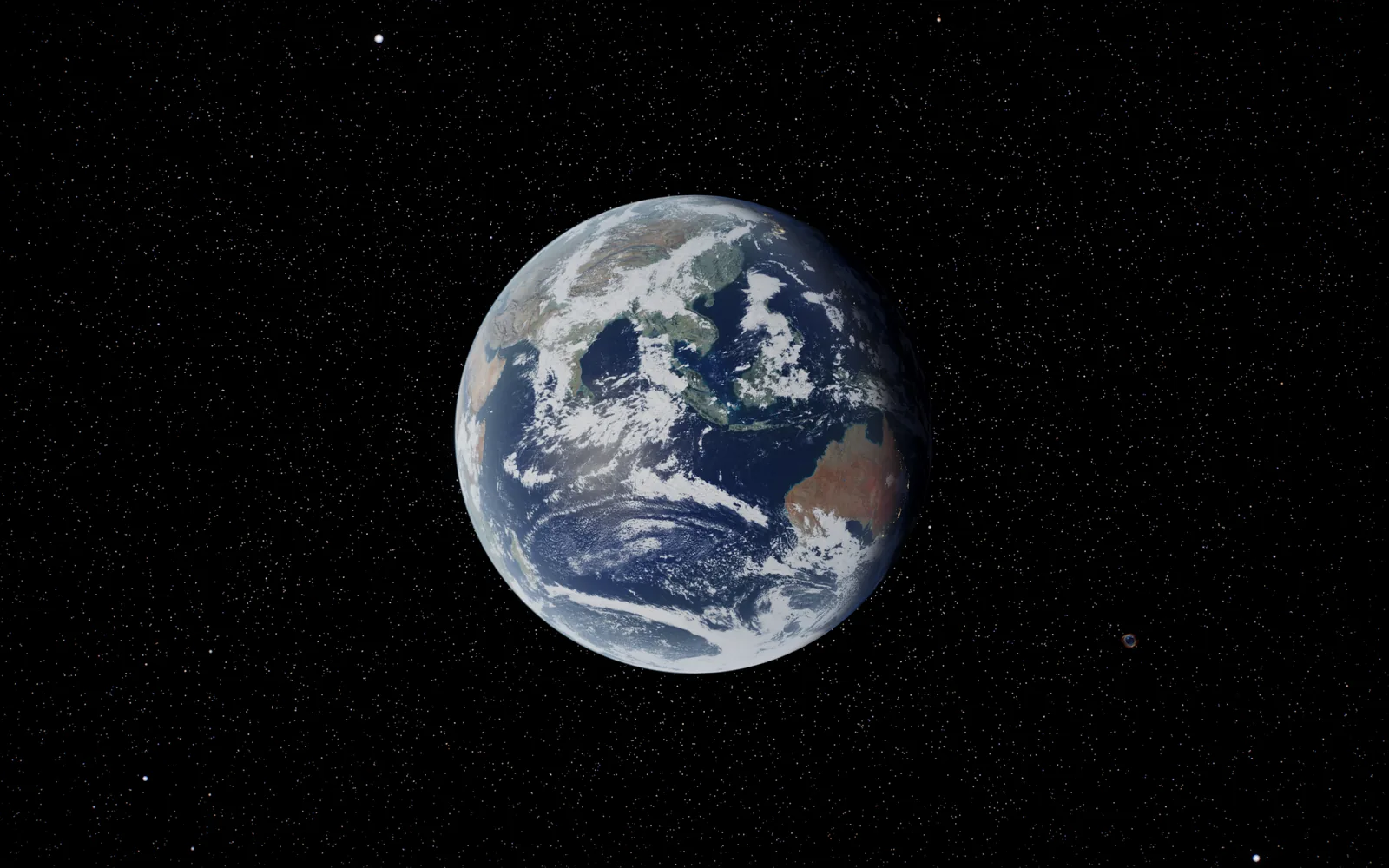
Open the Earth in the 3D viewer →
Get a reminder
We email you a day or two before, with the time. Leave your email once and we send a code to confirm it; nothing else arrives unless you ask for it.
Questions
When do the Geminids peak in 2027?
The peak is predicted for 14 December 2027 at 19:54 UTC. The shower is active from 4 to 20 December, so the nights either side are worth watching too; the best is the night of 14 to 15 December, after midnight.
How many meteors will I see?
Up to about 150 an hour under a perfectly dark sky with the radiant overhead. Most watchers see a third to a half of that from a dark site, fewer from towns.
Will the Moon spoil it?
A 98% Moon washes out all but the brightest meteors.
Where should I look?
Anywhere, though meteors appear longest 40 to 60 degrees from the radiant, in Gemini, near Castor. Look about halfway up the darkest part of the sky.
Do I need a telescope?
No. Meteors are best with the naked eye: binoculars and telescopes show far too little sky.
When are the Geminids next?
14 December 2028, with the peak at 02:04 UTC and a 5% Moon.
More in the sky
 4 October 2026Saturn at opposition1.26 billion km · magnitude 0.3
 21 October 2026Orionids 2026Up to 20 an hour · 78% Moon
17 November 2026Leonids 2026Up to 15 an hour · 55% Moon
21 October 2026Orionids 2026Up to 20 an hour · 78% Moon
17 November 2026Leonids 2026Up to 15 an hour · 55% Moon
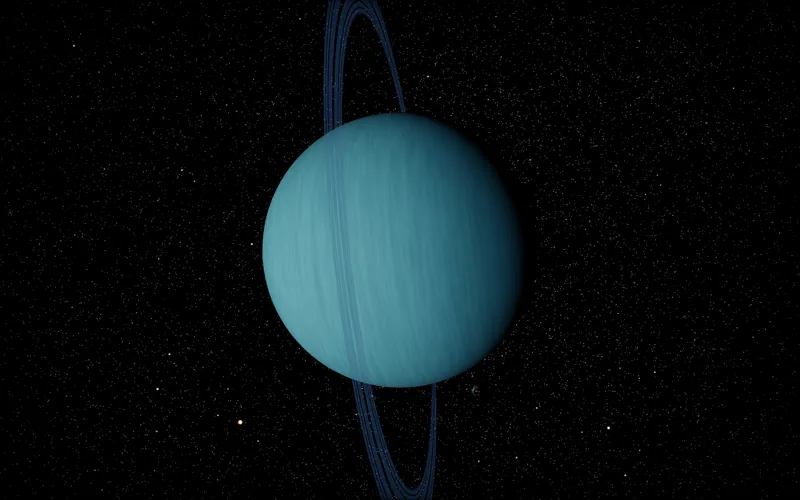 25 November 2026Uranus at opposition2.76 billion km · magnitude 5.7
14 December 2026Geminids 2026Up to 150 an hour · 25% Moon
4 January 2027Quadrantids 2027Up to 80 an hour · 12% Moon
25 November 2026Uranus at opposition2.76 billion km · magnitude 5.7
14 December 2026Geminids 2026Up to 150 an hour · 25% Moon
4 January 2027Quadrantids 2027Up to 80 an hour · 12% Moon
Every eclipse, meteor shower and planet at opposition, or the whole calendar. Tonight's planets are on what is visible tonight.
Sources
- International Meteor Organization: meteor shower calendar
- Wikipedia: the Geminids
- NASA: meteors and meteorites
- The times and positions on this page come from our own sky calendar, built on the sources above, the same one the 3D viewer runs on.