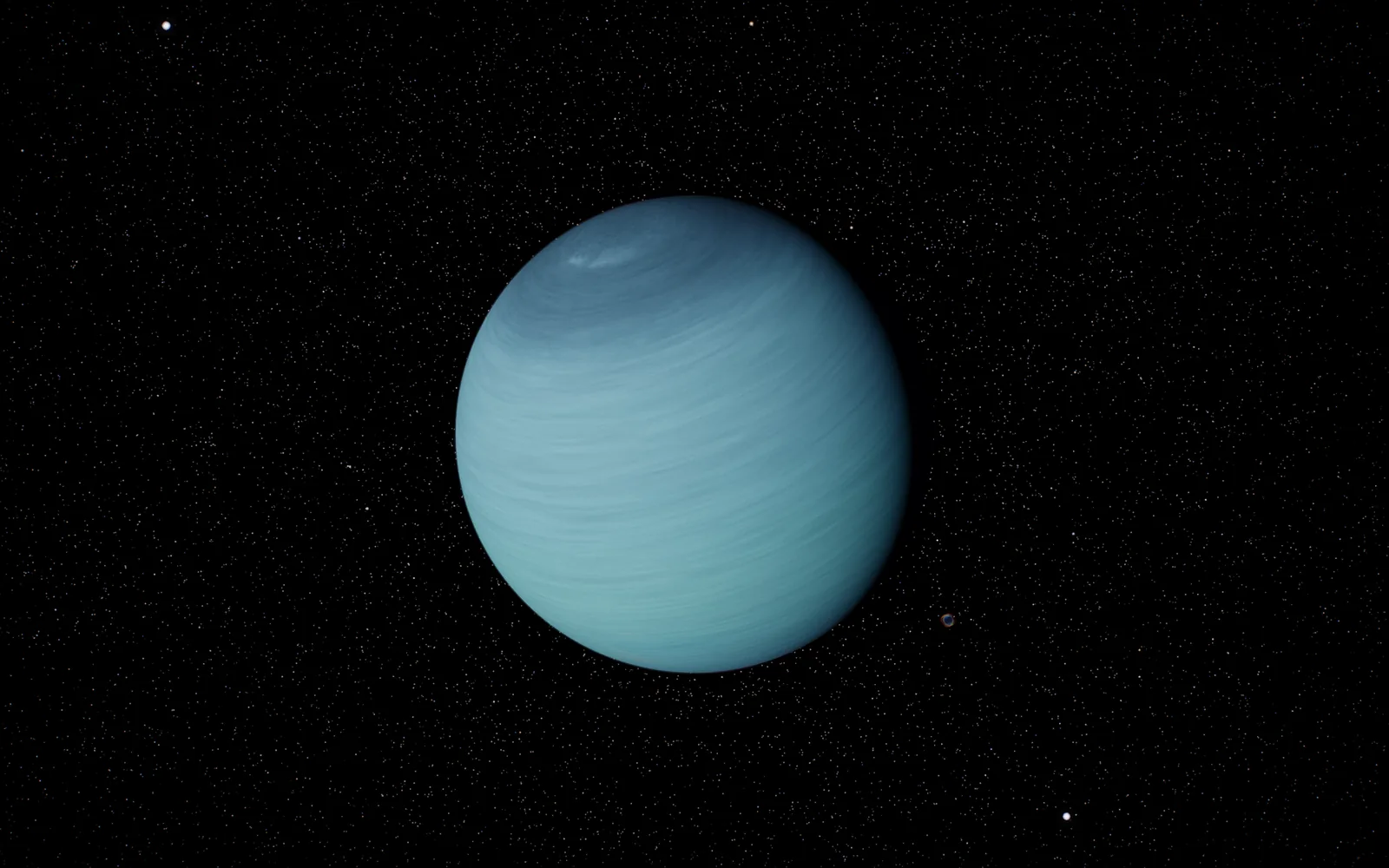
Planet at opposition · 30 September 2028
Neptune at opposition 2028
Neptune sits opposite the Sun in the sky. It is up all night at its brightest, a faint star for binoculars, with a telescope showing a small blue disc. It will be 4.32 billion km from Earth.
Next: Neptune at opposition, 2 October 2029
OppositionSaturday 30 September 2028, 02:31 UTC
Your timeSaturday 30 September 2028, 02:31 UTC
Where and when to look
Neptune rises in the east as the Sun sets, climbs highest around midnight (1 am where clocks are on summer time) and sets in the west at sunrise, so it is up all night. Look for it in Cetus, too faint for the naked eye; binoculars show it as a star.
| From | Neptune at its highest |
|---|---|
| London | 40° |
| New York | 51° |
| Delhi | 63° |
| São Paulo | 65° |
| Sydney | 55° |
It stays well placed for weeks either side of opposition, rising a few minutes earlier each night.
Through binoculars and telescopes
Binoculars show it as a faint star; a telescope at high power shows a tiny blue disc, 2.4 arcseconds across. Its moon Triton needs a larger telescope.
What is happening
The Earth, on its faster inside track, overtakes Neptune and passes between it and the Sun. Neptune then sits opposite the Sun in our sky, fully lit, and is about as close to us as it gets this time round: 4.32 billion km away.
Neptune comes round to opposition about every year and a few days, a little later each year.
See it in 3D
Neptune, rendered live from today's real positions by our 3D viewer. Press play to load it here, or open the full viewer to fly anywhere in the solar system.
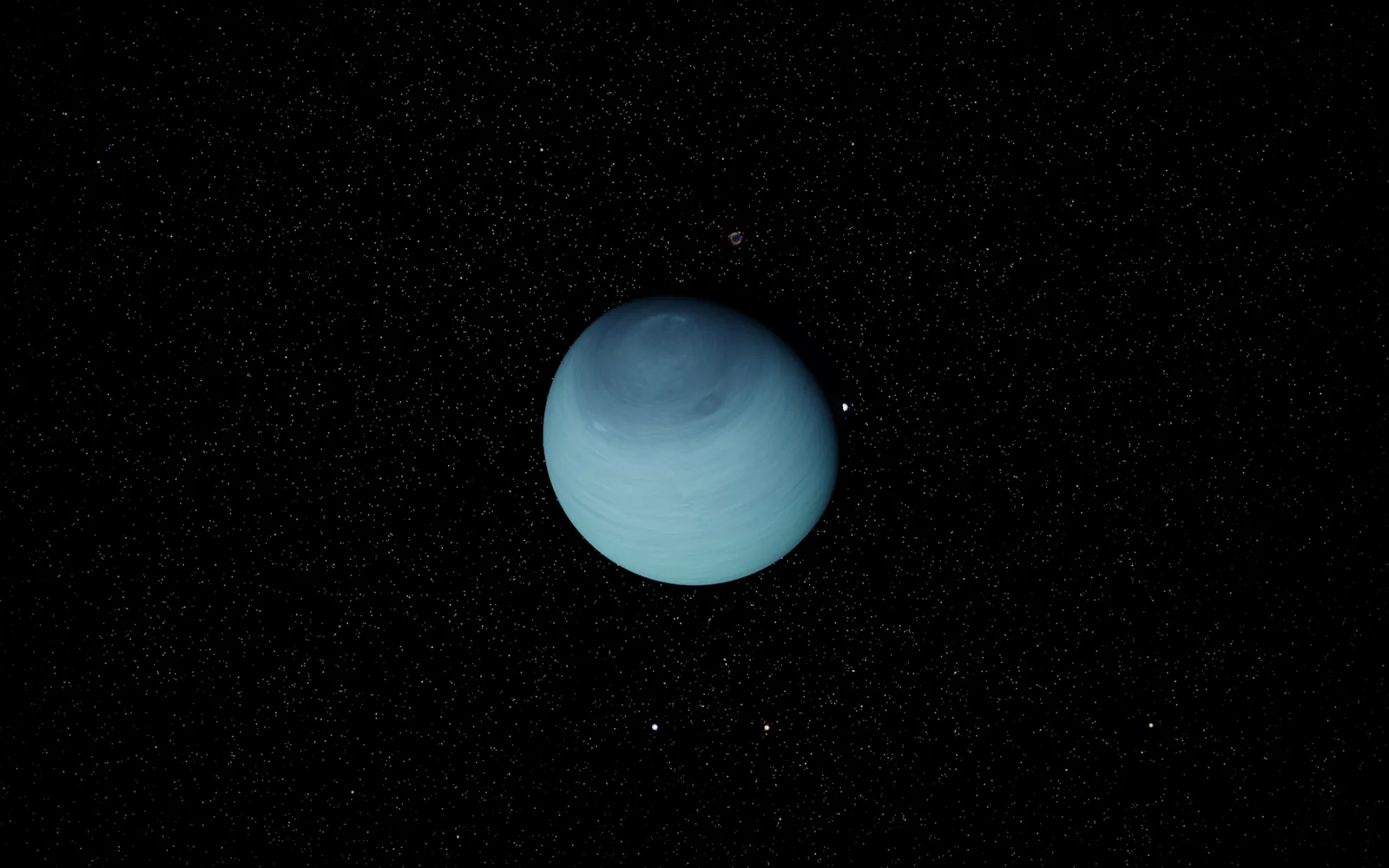
Open Neptune in the 3D viewer →
Get a reminder
We email you a day or two before, with the time. Leave your email once and we send a code to confirm it; nothing else arrives unless you ask for it.
Questions
When is Neptune at opposition in 2028?
On 30 September 2028 at 02:31 UTC. It is closest to Earth on 29 September 2028.
How bright will Neptune be?
About magnitude 7.7, too faint for the naked eye; binoculars show it as a star.
Where do I look for Neptune?
In Cetus: low in the east at dusk, high in the south around midnight from the Northern Hemisphere (in the north from the Southern Hemisphere), and in the west by dawn.
Can I see Neptune without a telescope?
Not with the naked eye. Binoculars and a finder chart show it as a faint star; a telescope shows its small disc.
When is the next Neptune opposition?
2 October 2029, when it will be 4.32 billion km away.
More in the sky
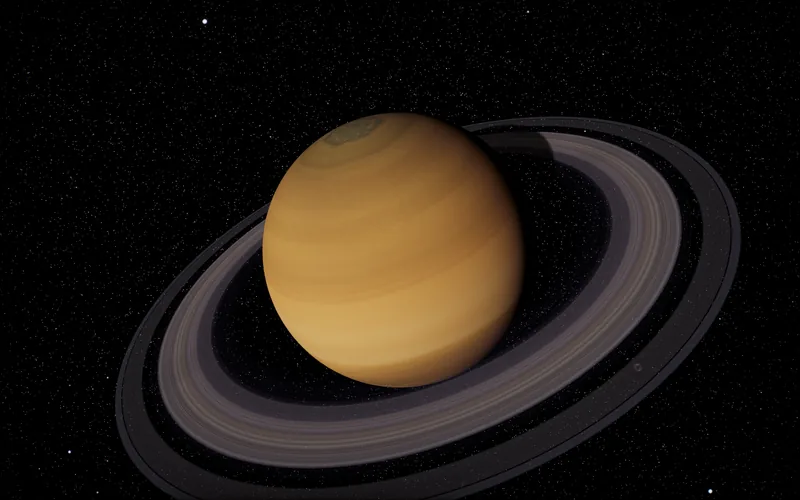 4 October 2026Saturn at opposition1.26 billion km · magnitude 0.3
 21 October 2026Orionids 2026Up to 20 an hour · 78% Moon
17 November 2026Leonids 2026Up to 15 an hour · 55% Moon
21 October 2026Orionids 2026Up to 20 an hour · 78% Moon
17 November 2026Leonids 2026Up to 15 an hour · 55% Moon
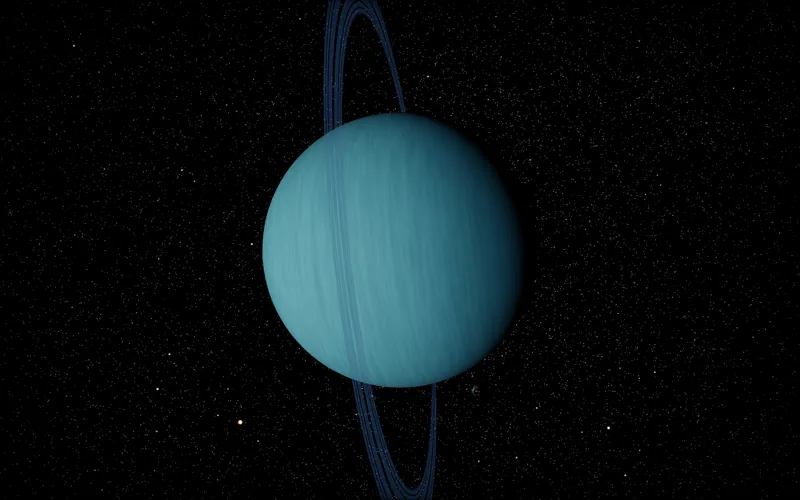 25 November 2026Uranus at opposition2.76 billion km · magnitude 5.7
14 December 2026Geminids 2026Up to 150 an hour · 25% Moon
4 January 2027Quadrantids 2027Up to 80 an hour · 12% Moon
25 November 2026Uranus at opposition2.76 billion km · magnitude 5.7
14 December 2026Geminids 2026Up to 150 an hour · 25% Moon
4 January 2027Quadrantids 2027Up to 80 an hour · 12% Moon
Every eclipse, meteor shower and planet at opposition, or the whole calendar. Tonight's planets are on what is visible tonight.
Sources
- NASA JPL: approximate positions of the planets (the orbits used here)
- Mallama and Hilton (2018): computing apparent planetary magnitudes
- Roman (1987): the IAU constellation boundaries
- Wikipedia: opposition
- The times and positions on this page come from our own sky calendar, built on the sources above, the same one the 3D viewer runs on.