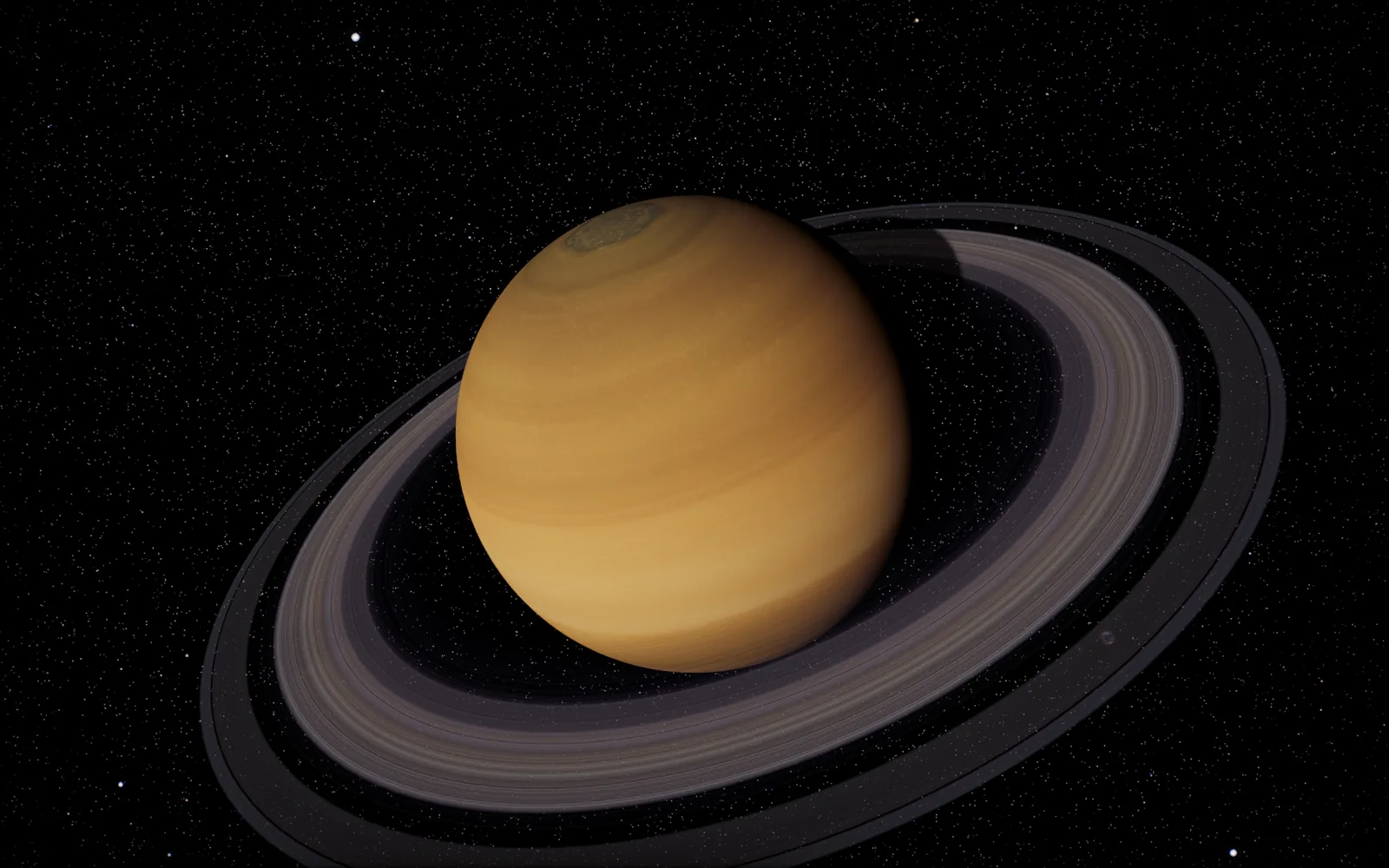
Free · In your browser · No account
The planets, online and in 3D.
All eight planets where they really are today, drawn live from spacecraft and telescope images. Pick one to fly to it in the free 3D viewer, turn it in your hand, or read its facts.
Every planet, from the Sun outwards
Each distance from the Earth below is worked out for the moment you read it, and moves on while the page is open.
-
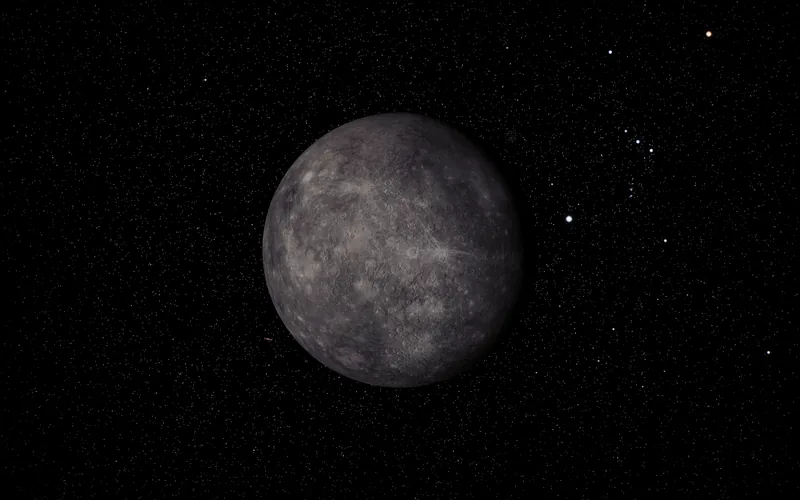
Mercury
Terrestrial Planet
- Diameter
- 4,879 km
- From the Sun
- 57.9 million km on average
- From the Earth now
- 149,438,362 km
-
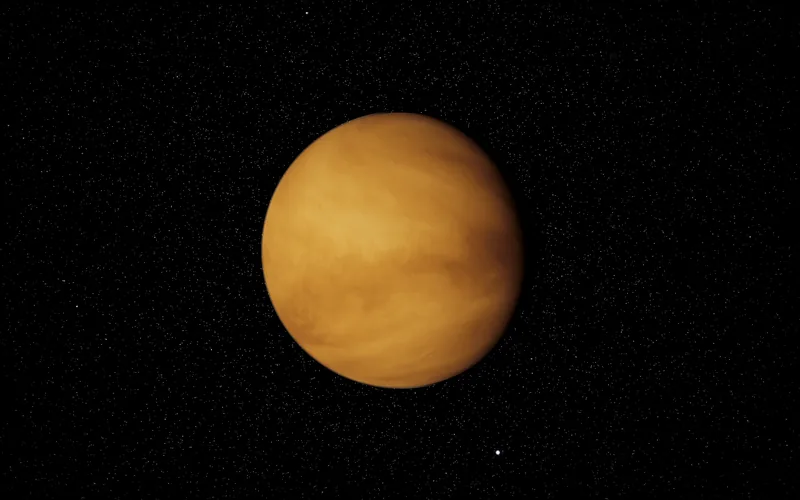
Venus
Terrestrial Planet
- Diameter
- 12,104 km
- From the Sun
- 108.2 million km on average
- From the Earth now
- 54,265,505 km
-
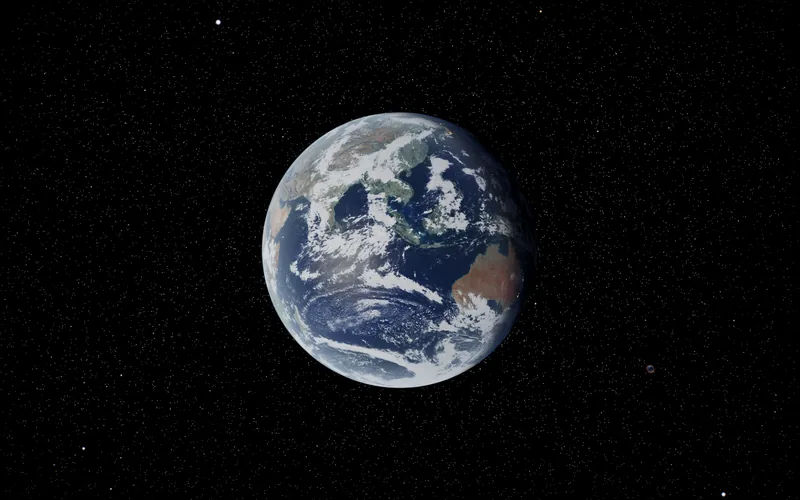
Earth
Terrestrial Planet
- Diameter
- 12,742 km
- From the Sun
- 149.6 million km on average
- From the Earth now
- You are here
-
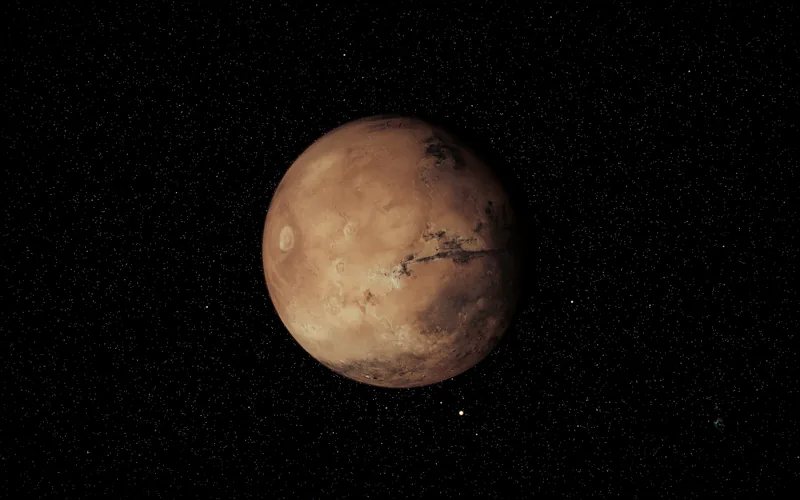
Mars
Terrestrial Planet
- Diameter
- 6,779 km
- From the Sun
- 228.0 million km on average
- From the Earth now
- 189,252,989 km
-
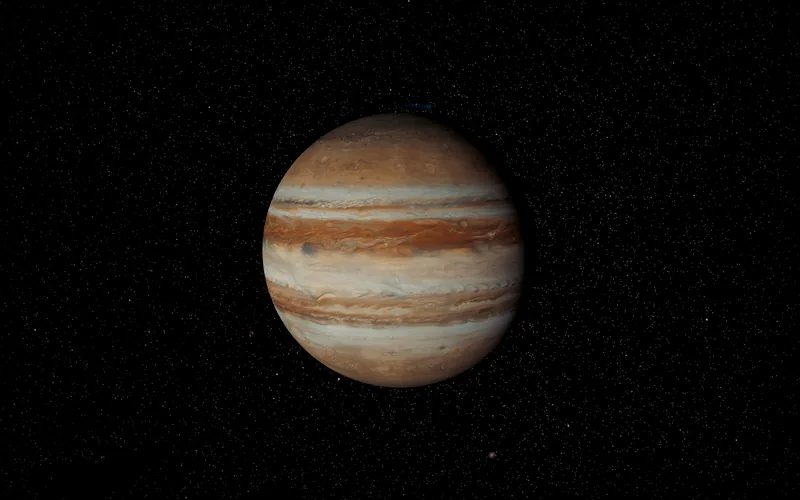
Jupiter
Gas Giant
- Diameter
- 139,822 km
- From the Sun
- 778.5 million km on average
- From the Earth now
- 776,182,649 km
-
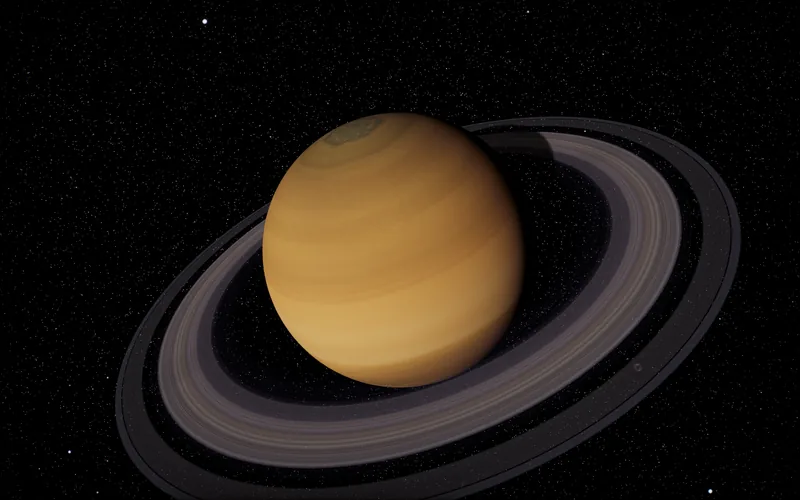
Saturn
Gas Giant
- Diameter
- 116,464 km
- From the Sun
- 1,432.0 million km on average
- From the Earth now
- 1,310,125,446 km
-
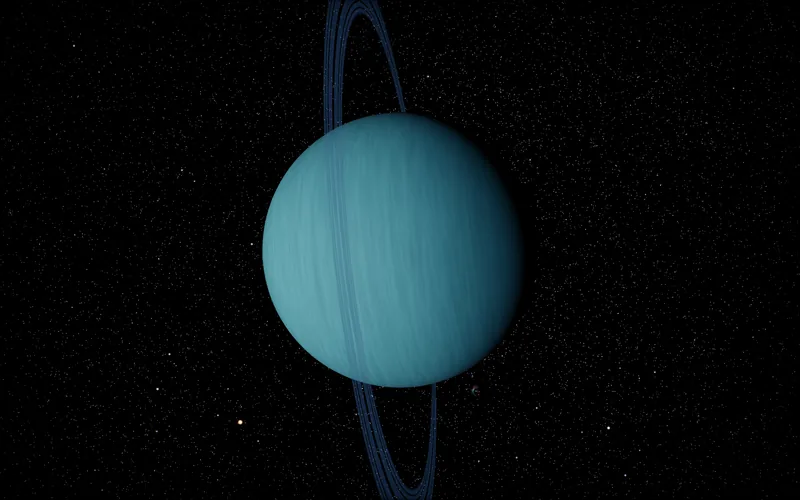
Uranus
Ice Giant
- Diameter
- 50,724 km
- From the Sun
- 2,867.0 million km on average
- From the Earth now
- 2,759,005,575 km
-
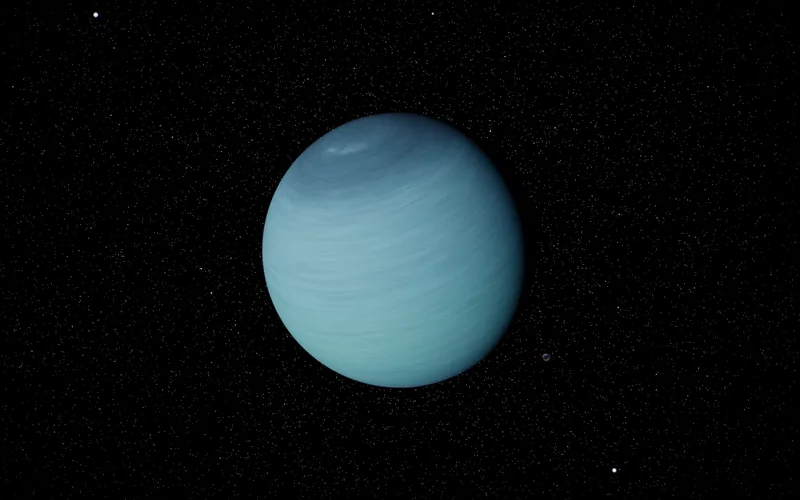
Neptune
Ice Giant
- Diameter
- 49,244 km
- From the Sun
- 4,515.0 million km on average
- From the Earth now
- 4,386,972,309 km
Beyond Neptune, Pluto is a dwarf planet 2,377 km across, 5,906.4 million km from the Sun on average and 5,394,270,202 km from the Earth now. Fly to Pluto in 3D.
What you can do with the planets in the viewer
- Change the date. Run the clock forward or back, anywhere from 1800 to 2200, and watch the planets move round the Sun.
- See them to scale. To Scale lines the Sun and the planets up side by side at their true sizes. For the numbers, see planet sizes compared.
- Look down on the whole system. The live solar system map shows where every planet is today from above the Sun.
- Fly between them. Fly mode puts you at the controls between the worlds.
- Find them in your sky. Planets visible tonight says which you can see with your own eyes, and when.
Questions
Can I explore the planets online for free?
Yes. The 3D viewer runs in your browser on a computer, a tablet or a phone, with nothing to install and no account. Drag to turn a planet, scroll or pinch to zoom, and pick any world to fly to it.
Are the planets shown where they really are?
Yes. The viewer places every planet for the moment you open it, from the VSOP87 planetary theory, and you can move the clock to any date from 1800 to 2200. The distances from the Earth on this page are worked out for the moment you read them.
Are these photographs or a live camera?
Neither. Each planet is drawn live by the viewer, lit from the Sun's real direction, on a map made from spacecraft and telescope images: MESSENGER for Mercury, Cassini for Jupiter, Hubble for Saturn, NASA's Blue Marble for the Earth. The planet textures page lists every map and where it comes from.
How many planets are there?
Eight: Mercury, Venus, Earth, Mars, Jupiter, Saturn, Uranus and Neptune. In 2006 the International Astronomical Union defined a planet as a body that orbits the Sun, is round under its own gravity and has cleared the neighbourhood around its orbit. Pluto has not cleared its neighbourhood, so it is a dwarf planet. The viewer has Pluto and the other dwarf planets too.
Which planets can I see in the sky tonight?
That depends on the date and where you are. The planets visible tonight page shows which are up this evening and before dawn, and the tonight pages give rise and set times for your town.
Sources
- Planetary Fact Sheet (metric), NASA NSSDCA: every diameter (twice the volumetric mean radius) and the average distance from the Sun (the semimajor axis)
- Mean radius and shape of Pluto and Charon from New Horizons images, Nimmo et al. 2017, Icarus 287: Pluto's size
- NASA JPL, Approximate Positions of the Planets: the distances from the Earth today, worked out in your browser with the viewer's own ephemeris
- Bretagnon, P. and Francou, G. (1988), Planetary theories in rectangular and spherical variables: VSOP87 solutions, Astronomy and Astrophysics 202, 309, CDS VizieR VI/81: where the viewer puts the planets
- IAU Resolution B5 (2006), Definition of a planet in the solar system: why there are eight planets and Pluto is a dwarf planet
- Credits and planet textures: where every map on the planets comes from